
 EN

How does a low voltage fuse protect residential and commercial circuits?
Understanding the Basics of Low Voltage Fuses and Electrical Safety
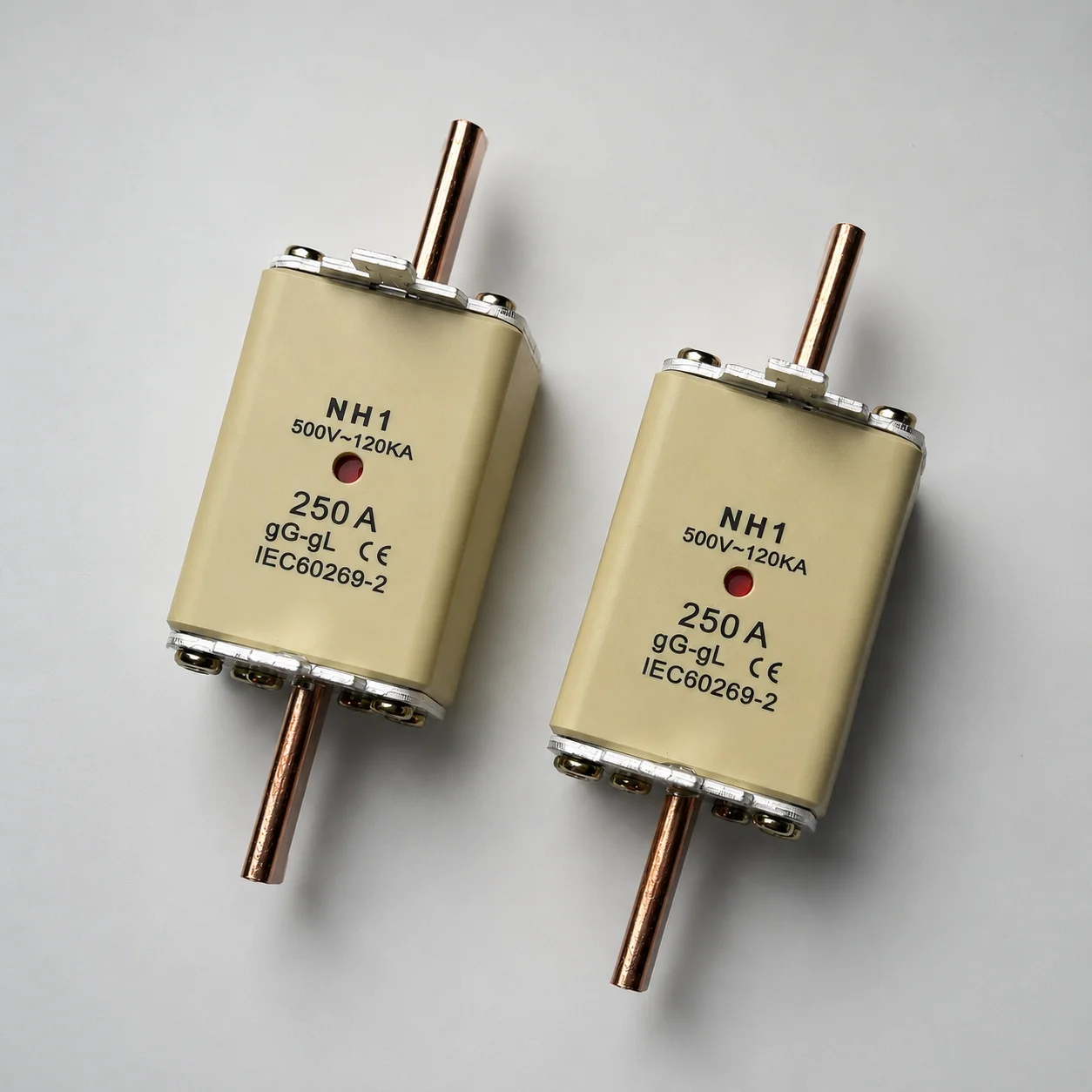
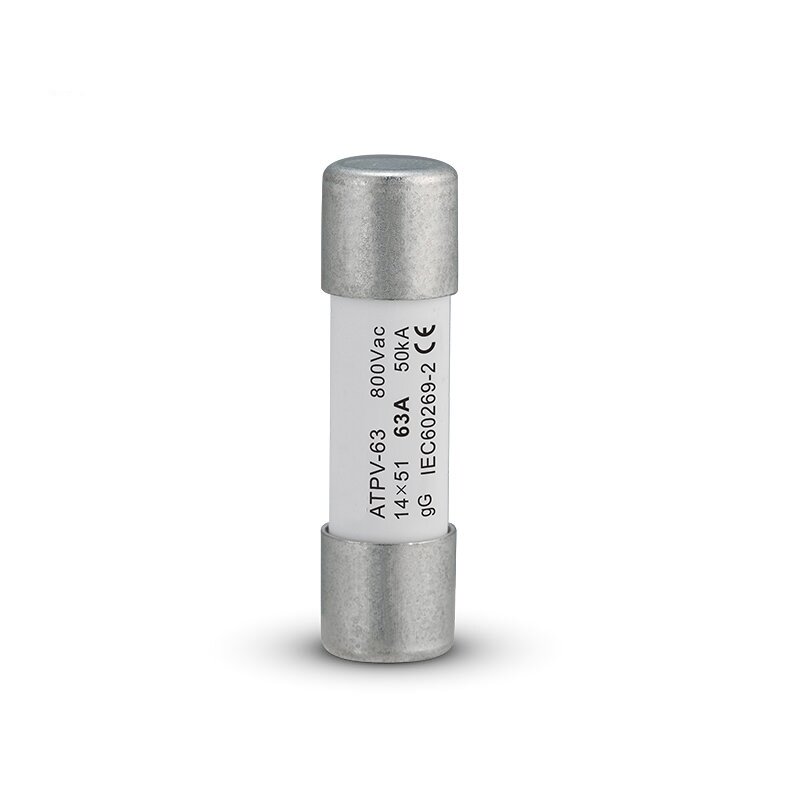
Electrical systems form the backbone of modern infrastructure, powering everything from household appliances to complex industrial machinery. Ensuring reliable circuit protection is paramount to preventing electrical hazards, equipment damage, and potential fire risks in daily operations. At ZHNYU ELECTRIC, engineering teams frequently encounter questions regarding how fundamental components safeguard electrical grids under varying loads. A low voltage fuse serves as a vital sacrificial device designed to interrupt excessive current flow before it can damage downstream equipment or wiring systems. By integrating a carefully calibrated fusible element within a durable protective housing, these devices react instantly to overcurrent conditions, making them completely indispensable for both residential and commercial electrical networks.
The Core Operating Principles Behind Circuit Protection
To understand how modern circuit protection functions in practical environments, one must examine the thermal and electrical mechanics inside a standard low voltage fuse. Under normal operating conditions, the internal metal strip or wire permits rated electrical current to pass through seamlessly with minimal resistance and stable conductivity. However, when an unexpected short circuit or severe overload occurs, the current spikes dramatically within fractions of a second. This sudden surge generates intense Joule heat inside the element, causing it to melt rapidly and cleanly. Once the element vaporizes or breaks, an electrical arc is safely quenched within the arc-extinguishing filling material, permanently opening the circuit and halting electricity flow. This swift mechanical interruption isolates the fault, protecting valuable wiring and connected appliances from catastrophic thermal destruction.
Enhancing Residential Electrical Safety Through Reliable Engineering
Household environments require stringent safeguards to protect families, pets, and daily appliances from unexpected electrical surges and faults. Maintaining high standards of residential electrical safety depends heavily on installing quality-assured components at main distribution boards, meter boxes, and sub-panels. A low voltage fuse deployed in domestic settings acts as the ultimate line of defense against appliance malfunctions, aging wiring faults, and external lightning-induced voltage spikes. For instance, when a kitchen appliance or heating unit experiences an internal short, the household fuse immediately reacts, cutting power before insulation overheats and sparks a fire. ZHNYU ELECTRIC designs components that adhere strictly to international manufacturing standards, ensuring that homeowners experience stable power delivery without compromising safety margins or risking accidental electrical shocks.
Managing Demanding Loads Through Commercial Fuse Applications
Commercial buildings, retail spaces, and modern office complexes present distinct electrical challenges due to continuous, heavy-duty operational loads and intricate distribution networks. Effective commercial fuse applications require robust components capable of handling higher breaking capacities, frequent switching surges, and diverse environmental conditions. In commercial settings, a low voltage fuse protects heavy-duty motors, complex lighting grids, centralized HVAC systems, and sensitive IT infrastructure from unexpected power surges or phase imbalances. Because commercial downtime can result in significant financial losses, utilizing dependable circuit protection devices ensures uninterrupted business operations and minimizes facility maintenance overhead. Engineers rely on precise thermal and electrical ratings to select components that coordinate seamlessly with upstream circuit breakers and downstream sub-circuits.
Best Practices for Installation and Maintenance in Electrical Systems
Proper installation and routine inspection are critical components of maintaining a secure electrical infrastructure across various residential and commercial building types. When deploying a low voltage fuse, technicians must verify that the current rating, voltage rating, and breaking capacity precisely match the specific requirements of the load circuit. Overlooking these critical parameters can lead to nuisance tripping or, worse, a complete failure to clear faults during severe short-circuit events. Furthermore, maintenance personnel should periodically check fuse holders for signs of environmental corrosion, loose terminal connections, or abnormal thermal degradation. ZHNYU ELECTRIC emphasizes transparent technical guidance, encouraging facility managers and professional electricians to follow strict replacement protocols and utilize standardized components to uphold long-term operational reliability.
Ensuring Long-Term Reliability in Modern Electrical Networks
The ongoing evolution of global electrical grids demands continuous innovation in manufacturing and quality control for all protective components. Whether safeguarding a domestic living space or managing industrial-scale commercial fuse applications, the primary objective remains protecting human life, structural property, and sensitive electronic investments. By prioritizing rigorous testing protocols and precise material selection, ZHNYU ELECTRIC delivers components that meet the demanding requirements of international markets. Ultimately, understanding the mechanics of a low voltage fuse empowers electricians, engineers, and property owners to make informed purchasing and installation decisions, reinforcing overall residential electrical safety and ensuring resilient, dependable energy distribution for years to come.
Advanced Technical Insights into Fuse Coordination and Selectivity
To achieve optimal performance in large-scale electrical installations, system designers must master the principles of selective coordination and discrimination. In complex multi-tier distribution networks, a fault occurring at a sub-circuit level must be isolated exclusively by the nearest protective device, leaving upstream feeders fully operational to prevent widespread downtime. A properly specified low voltage fuse provides excellent current-limiting characteristics that naturally facilitate selective coordination when paired correctly with upstream circuit breakers or main panel fuses. ZHNYU ELECTRIC engineers utilize advanced time-current characteristic curves to evaluate thermal thresholds, ensuring that our devices interrupt fault currents sequentially without unnecessary service interruption. By integrating these engineering principles into modern circuit protection strategies, facility managers can achieve maximum operational uptime while safeguarding complex electrical architectures against unexpected failures.