
 EN

How to choose the right low voltage fuse for your control panel?
Understanding Low Voltage Fuse Basics and Panel Protection
Selecting the correct low voltage fuse is a critical engineering decision for safeguarding industrial electrical distribution systems, building automation networks, and heavy machinery infrastructure. Within modern electrical enclosures, industrial systems face frequent operational risks from unmanaged overloads, thermal over-dissipation, and sudden short circuits. Integrating a reliable control panel fuse selection process ensures that anomalous fault currents are safely interrupted before they can damage downstream expensive components like programmable logic controllers, contactors, and variable frequency drives. When technicians begin evaluating component requirements, understanding the fundamental principles of a low voltage fuse helps minimize unplanned downtime and protect human operators from catastrophic arc flash hazards. ZHNYU ELECTRIC provides comprehensive circuit protection components engineered to meet international safety standards, ensuring precise component compatibility and adherence to global export requirements. Real-world engineering experience demonstrates that miscalculated current ratings frequently lead to nuisance blowing or, worse, total failure to clear an electrical fault, emphasizing the necessity of precise engineering evaluation during the initial design phase. Furthermore, understanding these fundamental principles helps facility managers extend the overall service life of complex electrical distribution networks while ensuring optimal system resilience under fluctuating industrial load conditions across diverse global facilities. Careful consideration of breaking capacity and continuous current parameters remains essential for establishing a robust industrial safety baseline. Modern manufacturing facilities rely heavily on these protective measures to maintain uninterrupted operational continuity and safeguard valuable capital assets against unexpected power anomalies. Furthermore, adherence to proper installation protocols guarantees maximum operational uptime.
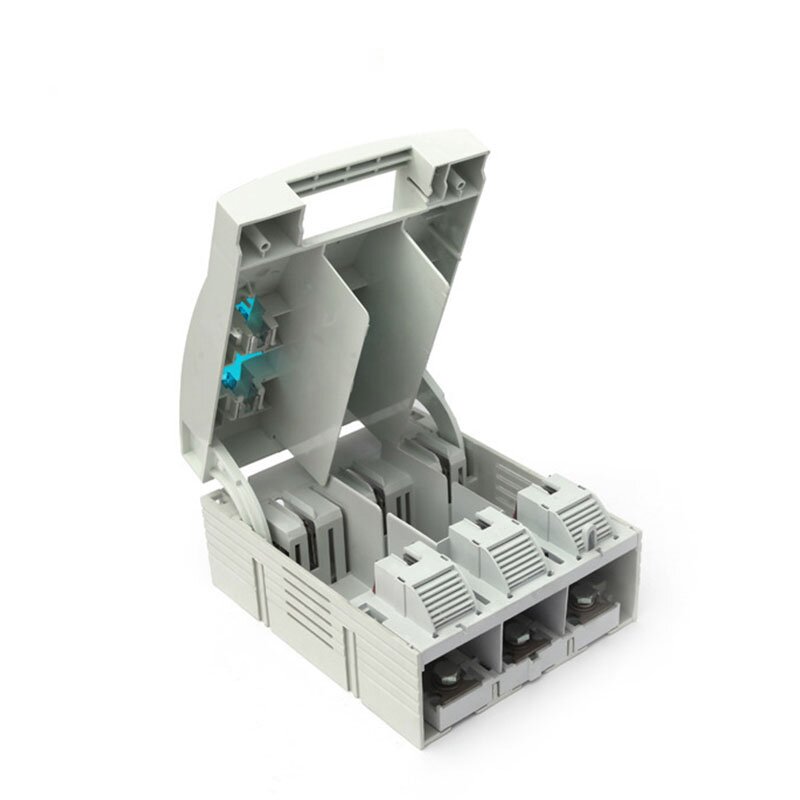
Key LV Fuse Specifications to Evaluate and Verify
Evaluating proper LV fuse specification parameters requires a meticulous review of several electrical, thermal, and physical properties before final component procurement. Engineers must first determine the continuous operating current, system voltage rating, breaking capacity, and the maximum prospective short-circuit current of the installation environment. Fuses are categorized by their operating classes, such as gG for general-purpose line protection and aM for motor circuit short-circuit protection. When reviewing an official LV fuse specification document, technical designers must also verify coordination tables to ensure selective tripping, meaning only the faulty branch circuit isolates while main power remains stable. ZHNYU ELECTRIC manufactures components that adhere strictly to standardized breaking capacity metrics and time-current characteristics, ensuring clear performance boundaries under fault conditions. Reviewing technical datasheets helps match the fuse's I-squared-t let-through energy with the thermal damage threshold of protected conductors and sensitive semiconductor devices within the cabinet layout. Additionally, clear documentation and transparent parameter verification remain essential for maintaining high-quality electrical manufacturing practices across global export markets, helping technical teams avoid costly design oversights and regulatory non-compliance during large-scale industrial facility installations. Mastering these technical metrics prevents costly engineering oversights and guarantees compliance with global certification bodies across diverse industrial sectors worldwide. Comprehensive parameter verification remains a cornerstone of professional electrical engineering.
Environmental and Physical Considerations in Control Panels
Industrial environments introduce variable thermal, mechanical, and spatial constraints that directly impact fuse reliability and lifespan across continuous operational cycles. Ambient temperature inside a sealed enclosure can significantly derate a current-carrying capacity, requiring careful enclosure thermal management or upward sizing of the protective device. Furthermore, physical dimensions must align with standard fuse holders, modular disconnect switches, or DIN-rail mounting configurations specified by experienced cabinet designers. When integrating a high-performance low voltage fuse into compact cabinet layouts, engineers must account for mutual heating effects among adjacent components. ZHNYU ELECTRIC components undergo rigorous factory testing to ensure stable performance across specified operating temperatures and vibration tolerances common in heavy manufacturing sectors. Practical field deployment data highlights that accounting for enclosure derating factors prevents premature thermal fatigue and ensures long-term operational stability. Panel builders must also evaluate physical spacing to facilitate safe heat dissipation and prevent localized hot spots that compromise surrounding wiring harnesses and terminal block integrity during peak load operations. Proper environmental assessment ensures long-term system integrity across complex global infrastructures. Careful thermal planning prevents unexpected component degradation in high-ambient environments.
Implementing an Effective Industrial Fuse Guide Methodology
Following a systematic industrial fuse guide streamlines the procurement, wiring, and installation workflow for panel builders and maintenance technicians alike. The selection protocol begins with mapping load profiles, including inductive motor startup surges and capacitive power supply inrushes, to select appropriate time-delay or fast-acting characteristics. Cross-referencing regulatory compliance certifications, such as IEC and UL standards, guarantees that the chosen hardware satisfies regional and global export requirements. A reliable industrial fuse guide emphasizes the importance of selecting the correct fuse characteristic curve—such as fast-acting types for delicate electronics or time-delay types for heavy inductive loads. ZHNYU ELECTRIC technical documentation supports engineering teams by offering clear compatibility metrics and installation guidelines designed to eliminate guesswork and speed up project turnaround times. Adopting this structured selection methodology enhances overall system reliability, reduces maintenance overhead, and ensures compliance with rigorous industrial safety codes. By standardizing these protection methodologies across multiple manufacturing projects and facility upgrades, plant operators can minimize the risk of electrical fires, equipment damage, and operator injury resulting from unmanaged overcurrent events. Adhering to proven engineering wisdom ensures that electrical control panels operate at peak efficiency under diverse operating loads. Standardized reference frameworks simplify spare parts inventory management and accelerate troubleshooting procedures.
Optimizing Maintenance and Replacement Protocols
Establishing proactive maintenance and rapid replacement protocols minimizes mean time to repair across automated industrial facilities and processing plants. Visual trip indicators or microswitch attachments integrated into modern protection devices allow maintenance personnel to quickly identify faulted circuits without manual resistance testing or power interruption. When replacing blown components, technicians must always substitute with identical voltage, current ratings, and breaking capacities matching the original low voltage fuse specification to maintain system integrity. Furthermore, mastering the correct control panel fuse selection process ensures long-term operational excellence during routine facility overhauls. ZHNYU ELECTRIC designs high-durability protection hardware that facilitates safe, straightforward extraction and replacement during routine servicing intervals. Field case studies indicate that stocking approved replacement units directly onsite prevents extended operational halts and preserves plant productivity. By combining proper hardware selection with disciplined maintenance routines, industrial facilities can safeguard their workforce, protect valuable capital equipment, and ensure seamless operational performance for years to come. Proper engineering oversight guarantees long-term system reliability across automated manufacturing environments. Rigorous inspection protocols safeguard industrial installations against recurring electrical faults.