
 EN

The Fuse: The Unsung Hero of Circuit Protection
Time : 2025-11-23
What is a Fuse?
A fuse is a fundamental safety device used in electrical systems. It operates on a simple principle: a metal element inside the fuse melts and breaks the circuit when the current exceeds a safe level. This action disconnects the power, protecting the rest of the circuit from damage caused by overcurrent or short circuits.
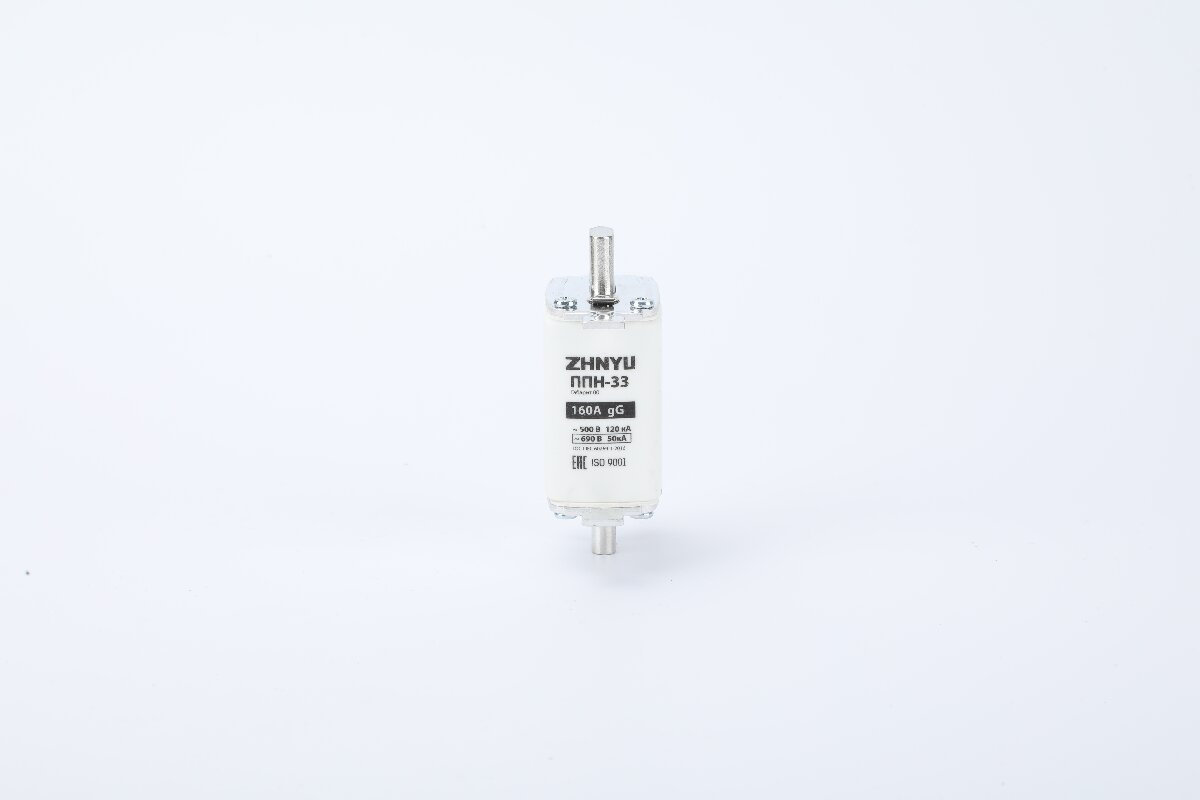
Key Advantages
Fast Response Time: Fuses react very quickly to overcurrent conditions, often interrupting the circuit in milliseconds. This rapid action can prevent damage to sensitive electronic components.
High Reliability: With a simple design and no moving parts, a fuse is a highly reliable component that performs its function consistently over time.
Cost-Effective: Fuses provide an economical solution for circuit protection, making them a standard choice in a vast number of electrical and electronic applications.
Current Limiting Ability: In the event of a short circuit, a fuse can interrupt the current flow before it reaches its peak value, significantly reducing the potential for damage.
Common Types of Fuses
Fuses are manufactured in various forms to suit different applications. Two of the most common types are:
Cartridge Fuses: These are cylindrical fuses with metal contacts at each end. They are widely used in consumer electronics, household appliances, and industrial equipment. Cartridge fuses are available with glass or ceramic bodies, offering different levels of durability and visibility.
Blade Fuses: Characterized by a flat plastic body with two metal prongs, blade fuses are the standard for automotive applications. They are color-coded to indicate their amperage rating, which simplifies identification and replacement.
Fuse vs. Circuit Breaker
Fuse: A single-use device that melts to break the circuit. It offers very fast response times and high reliability at a low cost. Once it has operated, it must be replaced.
Circuit Breaker: A reusable device that can be manually or automatically reset after a fault. It provides more features but is generally more complex and expensive than a fuse.
Conclusion
The fuse remains a critical component in ensuring electrical safety. Its combination of simplicity, speed, and reliability makes it an essential protective device for a wide range of applications, from small electronic gadgets to large-scale industrial systems.
What is a Fuse?
When an overcurrent occurs, the excessive flow of electrons causes Joule heating ($P = I^2R$) within the fuse element. As the temperature reaches the metal's melting point, the element vaporizes or melts, creating an open circuit. This rapid action instantly disconnects the power source, protecting the rest of the circuit, wiring, and connected devices from catastrophic damage caused by overcurrent, overloads, or short circuits.
Key Advantages
Critical Specifications: Beyond the Basics
Common Types of Fuses
1. Cartridge Fuses
2. Blade Fuses
3. Response Characteristics: Fast-Acting vs. Time-Delay
Conclusion
What is a Fuse?
A fuse is a fundamental safety device used in electrical systems, acting as the ultimate sacrificial barrier against electrical disasters. It operates on a simple yet elegant principle of thermodynamics and electrical resistance: a specially engineered metal element (often zinc, copper, silver, or aluminum) inside the fuse melts and breaks the circuit when the current exceeds a safe level for a specified duration.
When an overcurrent occurs, the excessive flow of electrons causes Joule heating ($P = I^2R$) within the fuse element. As the temperature reaches the metal's melting point, the element vaporizes or melts, creating an open circuit. This rapid action instantly disconnects the power source, protecting the rest of the circuit, wiring, and connected devices from catastrophic damage caused by overcurrent, overloads, or short circuits.
Key Advantages
Fast Response Time: Fuses react very quickly to severe overcurrent conditions, often interrupting the circuit in milliseconds. This rapid action is crucial for preventing damage to sensitive electronic components like microprocessors and semiconductors.
High Reliability: With a simple design and no moving parts, a fuse is immune to mechanical wear, dust accumulation, or software glitches. It is a highly reliable, "set-it-and-forget-it" component that performs its function consistently over time.
Cost-Effective: Fuses provide an economical solution for circuit protection. Their low manufacturing cost makes them a standard, budget-friendly choice in a vast number of electrical and electronic applications, reducing the overall bill of materials for manufacturers.
Current Limiting Ability: In the event of a high-fault short circuit, a modern current-limiting fuse can interrupt the current flow before it even reaches its first peak value, significantly reducing the destructive thermal and mechanical stresses on the upstream equipment.
Critical Specifications: Beyond the Basics
To choose the right fuse, engineers and technicians must look beyond just the physical size. Three critical parameters define a fuse’s capability:
Amperage Rating (Current Rating): The maximum current that the fuse can continuously carry without melting (e.g., 5A, 15A).
Voltage Rating: The maximum voltage at which the fuse can safely interrupt an overcurrent. Using a fuse with a voltage rating lower than the circuit voltage can result in an electrical arc jumping across the melted gap, failing to stop the current.
Interrupting Rating (Breaking Capacity): The maximum fault current that the fuse can safely interrupt without physically exploding or rupturing its housing.
Common Types of Fuses
Fuses are manufactured in various forms, materials, and time-delay characteristics to suit different applications.
1. Cartridge Fuses
These are cylindrical fuses with conductive metal caps or contacts at each end. They are widely used in consumer electronics, household appliances, and industrial equipment. Cartridge fuses are available with:
Glass bodies: Allow for easy visual inspection to see if the internal wire is broken.
Ceramic bodies: Filled with silica sand to quench internal arcs, offering much higher breaking capacities and durability for industrial environments.
2. Blade Fuses
Characterized by a flat, impact-resistant plastic body with two metal prongs (blades), blade fuses are the absolute standard for automotive applications. They are strictly color-coded internationally to indicate their amperage rating (e.g., Light Blue for 15A, Yellow for 20A), which simplifies identification and quick replacement in a vehicle's fuse box.
3. Response Characteristics: Fast-Acting vs. Time-Delay
Fast-Acting Fuses: Open almost instantly when an overcurrent occurs. Ideal for sensitive ICs and digital circuits.
Time-Delay (Slow-Blow) Fuses: Can withstand temporary, harmless current surges (such as the high inrush current when an electric motor starts) without blowing, but will still open if the overload persists.
Conclusion
Despite the rise of smart electronic circuit breakers and digital power management systems, the traditional fuse remains a critical, indispensable component in ensuring global electrical safety. Its unique combination of absolute simplicity, blistering speed, and foolproof reliability makes it the ultimate fail-safe protective device. From the smallest wearable gadgets to large-scale industrial power grids, the unsung hero quietly stands guard, ready to sacrifice itself to protect life and property.