
 EN

What are the main advantages of using a knife switch in low-voltage panels?
Time : 2026-09-17
Real-World Application Value of Knife Switches in Low-Voltage Distribution
In modern low-voltage panel design and power distribution layout, electrical professionals often prioritize intelligent circuit protection devices that feature automated tripping and digital monitoring. Even so, experienced system designers consistently reserve a key position for the knife switch in standard cabinet configurations. As a classic and reliable LV disconnect switch, the manual isolation switch serves as a fundamental mechanical safety component for all types of low-voltage panels. Based on widespread field electrical system debugging and retrofitting experience across global distribution projects, most hidden electrical hazards during equipment maintenance stem from undetectable circuit connection status, rather than failures of smart protective devices. Aligned with official IEC electrical safety guidelines, low-voltage power systems require dependable mechanical isolation to eliminate invisible risks such as contact adhesion and residual circuit voltage. Unlike electronically controlled switches that rely on internal circuits and sensors, a standard knife switch operates purely through physical mechanical movement, delivering consistent, predictable performance in diverse low-voltage panel environments. Exploring the core knife switch advantages helps design and installation teams build safer, more stable, and more standardized low-voltage power distribution systems for general commercial and industrial applications.
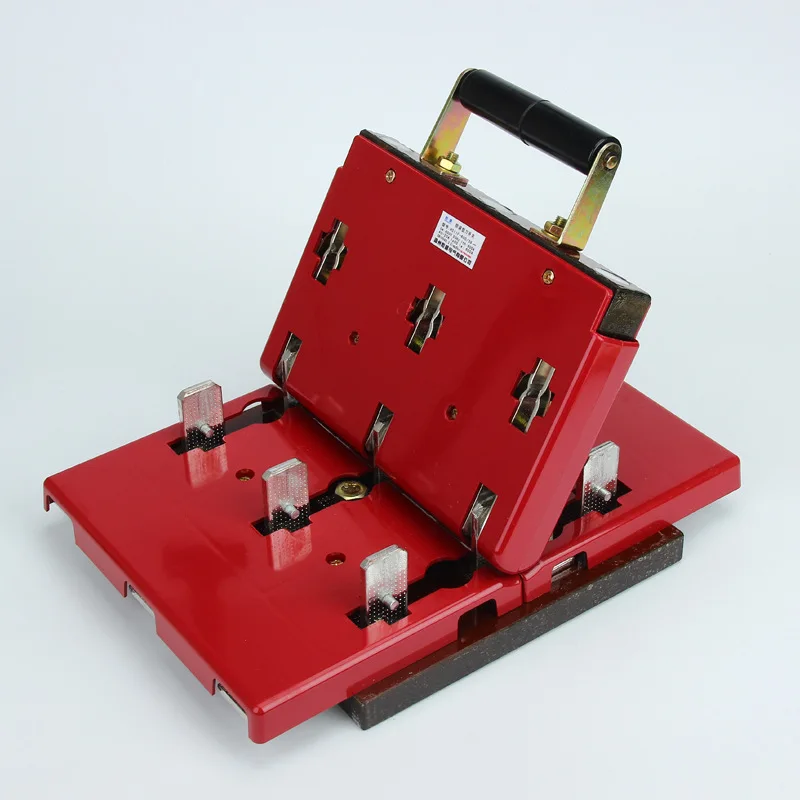
Visible Mechanical Isolation Boosts On-Site Operational Safety
Operational safety is the foundational benchmark for low-voltage panel configuration, and visual break isolation stands out as one of the most critical knife switch advantages that differentiate this LV disconnect switch from other enclosed electrical components. Most circuit breakers and modular switches feature fully sealed internal structures, making it impossible for field technicians to visually confirm contact status from the exterior. After long-term continuous operation, environmental humidity, dust accumulation, and mechanical vibration can cause internal contact bonding, leaving circuits energized even after a trip signal is triggered. This hidden issue creates severe safety risks for routine inspection and equipment servicing. As a dedicated manual isolation switch, the knife switch adopts an open structural design that delivers a clear, visible air gap once the blade is fully opened. This intuitive physical separation allows technicians to verify complete circuit de-energization before performing lockout-tagout procedures and on-site work. Verified by universal electrical operation standards, low-voltage panels equipped with standardized knife switches deliver far more transparent isolation status, minimizing human error and enhancing overall site safety for all power distribution maintenance workflows.
Simplified Mechanical Structure Ensures Long-Term Operational Stability
Low-voltage panels typically operate in unregulated ambient conditions, exposed to ongoing dust, humidity fluctuations, and minor structural vibration over years of service. Complex electronic switching devices contain delicate internal circuitry and sensor components that degrade gradually under such everyday environmental interference, leading to unstable conduction and inconsistent response over time. In stark contrast, a quality knife switch features a streamlined all-mechanical structure with no fragile electronic parts. Constructed with high-purity conductive contact components and high-strength insulating base materials, this LV disconnect switch maintains steady mechanical and electrical performance throughout long-cycle operation. Industry third-party stability testing confirms that well-manufactured manual isolation switches maintain stable contact conductivity and reliable insulation properties after tens of thousands of switching cycles. Thanks to its simple and robust structural design, the knife switch maintains consistent performance in general low-voltage panel environments, reducing unpredictable system anomalies and supporting stable long-term power distribution operation.
Balanced Performance and Accessible Configuration Reduce System Overhead
Practical low-voltage panel design always focuses on balanced system configuration that avoids redundant functionality while maintaining full operational safety. Many integrated intelligent isolation devices come with comprehensive multi-functional modules that exceed the basic isolation needs of conventional power distribution setups, resulting in unnecessary system complexity and elevated overall configuration costs. The core knife switch advantages lie in its targeted functional positioning and straightforward installation logic. As a professional manual isolation switch, it focuses entirely on reliable mechanical circuit isolation without requiring auxiliary power supplies, external signal wiring, or ongoing program calibration. The simple mounting and wiring process streamlines low-voltage panel assembly workflows and simplifies overall system architecture. For conventional low-voltage panel layouts that prioritize stable isolation and daily operational convenience, knife switches deliver highly matched performance that fits universal distribution requirements. This targeted functionality effectively avoids over-engineering, creating leaner, more manageable, and cost-efficient low-voltage power distribution systems for general engineering projects.
Universal Component Compatibility Supports Standardized Panel Layouts
Compatibility with mainstream electrical components determines the overall practicability of low-voltage panel configuration solutions, and knife switches demonstrate excellent universal adaptability in standardized power distribution layouts. This versatile LV disconnect switch can coordinate seamlessly with circuit breakers, fuse components, instrument transformers and other common low-voltage electrical devices to form layered, orderly protection and isolation logic. In standard industry configurations, knife switches are installed at the front end of circuit branches to undertake manual isolation and power cutoff operations, while automated breakers handle dynamic overload and short-circuit protection. This clear functional division standardizes panel operation logic and improves the overall operational orderliness of low-voltage distribution systems. Meanwhile, complete specification coverage across pole counts and current ratings enables knife switches to adapt to various standard low-voltage panel types for conventional power distribution scenarios. Its versatile compatibility makes the manual isolation switch a universally applicable component for standardized cabinet assembly and system upgrading.
Professional Manufacturing Standards Support Global Application
Consistent product reliability and standardized performance are built on rigorous manufacturing specifications and systematic quality control. ZHNYU maintains decades of professional experience in developing and producing full-series low-voltage isolation and switching components, adhering to global manufacturing and testing standards for low-voltage electrical equipment. All core products comply with ISO9001 quality management systems and international safety certifications, conforming to unified Eurasian power distribution specification requirements. Supported by standardized production workflows, complete manufacturing equipment, and mature global supply chain systems, ZHNYU delivers uniformly qualified low-voltage switching and isolation components for global low-voltage panel projects. Strict raw material screening, standardized processing procedures, and comprehensive finished product testing ensure stable and consistent product performance in global conventional distribution applications, providing reliable component support for electrical engineering teams and system integrators worldwide.