
 EN

What is the difference between a load break switch and a disconnector?
Understanding the Functional Distinction in Switchgear Comparison
When evaluating medium and low-voltage electrical distribution equipment, electrical engineers, project consultants, and facility managers frequently conduct a comprehensive switchgear comparison to determine the most appropriate switching devices for their specific operational environment and distribution architecture. At ZHNYU ELECTRIC, technical experts frequently encounter questions regarding the distinct operational capabilities of various switching components in modern industrial power networks. A common point of technical discussion involves distinguishing a load break switch from a traditional isolating device. To put it simply, a load break switch is engineered with specialized arc-extinguishing chambers, gas barriers, or spring-assisted quick-break mechanisms that enable it to safely make, carry, and break active load currents under normal operating conditions, as well as specified overload conditions. In contrast, a disconnector is strictly designed to create a visible, physical air gap in a de-energized circuit during scheduled maintenance periods or emergency shutdowns. Operating a disconnector while electrical current is actively flowing can result in severe electrical arcing, catastrophic equipment damage, and extreme hazard to personnel on site. Recognizing this fundamental difference in switchgear comparison ensures that industrial facilities select the correct hardware for active load interruption versus passive circuit isolation. Furthermore, understanding these operational boundaries prevents catastrophic equipment failures during routine plant operations and enhances overall network reliability across heavy industrial sectors worldwide. Careful evaluation of electrical parameters guarantees that every installed component performs reliably within its rated thermal and electrical capacity.
The Engineering Principles Behind a Dedicated Load Break Switch
Delving deeper into the mechanical design of a load break switch reveals why it remains an essential asset in modern industrial power distribution systems. Unlike passive isolation devices, this specialized component incorporates sophisticated engineering features designed to manage the intense thermal and electrical stresses associated with breaking current under load. When an operator actuates the handle, internal mechanisms ensure rapid separation of the contacts, while built-in arc chutes or vacuum interrupters safely quench any electrical arc that forms during the interruption process. At ZHNYU ELECTRIC, manufacturing standards require rigorous testing and quality control procedures to ensure that every load break switch maintains low electrical resistance when closed and reliable arc suppression when opened under full load. This capability allows plant operators to switch transformers, capacitor banks, and heavy motor loads safely without requiring a complete upstream blackout. Furthermore, integrating these devices into automated distribution networks provides operators with remote control capabilities, significantly reducing manual intervention and enhancing overall system responsiveness during routine operational switching sequences. By prioritizing robust mechanical construction and efficient arc-quenching technologies, engineering teams ensure continuous power delivery under demanding industrial conditions, minimizing unexpected downtime and maximizing productivity across all manufacturing lines.
The Role of a Disconnector in Achieving Absolute Electrical Isolation
While active circuit currents are managed by specialized interrupting gear, achieving absolute electrical isolation requires a completely different yet equally vital component within electrical safety protocols. The primary purpose of a disconnector is to provide reliable protection by creating a visible and verifiable physical air gap between live power sources and downstream equipment. Because disconnectors lack arc-extinguishing chambers, they must never be operated under load; the upstream circuit must always be opened first by an appropriate circuit breaker or a load break switch. At ZHNYU ELECTRIC, engineering guidelines emphasize that a disconnector acts as the final line of defense during lockout-tagout procedures, ensuring that maintenance technicians can visually verify that equipment is completely disconnected from voltage before commencing hands-on service. This visible separation eliminates ambiguity, providing absolute psychological and physical reassurance that no stray currents or feedback loops can energize the work zone unexpectedly. Consequently, pairing a load break switch with a downstream disconnector creates a comprehensive, multi-layered isolation architecture tailored for heavy-duty industrial complexes, ensuring total protection for personnel during major equipment overhauls, facility modifications, and routine diagnostic checks across the entire installation.
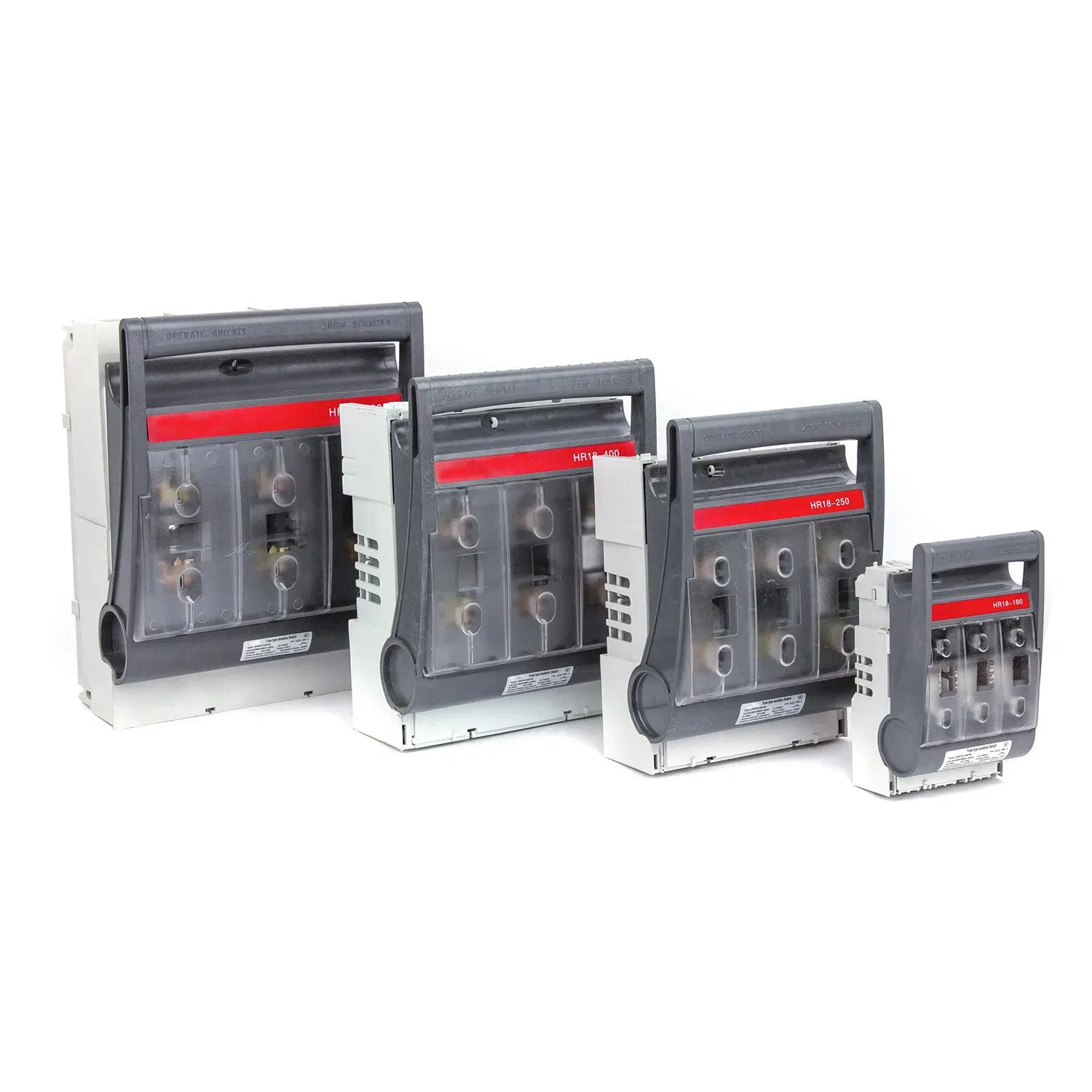
Enhancing Power System Safety Through Proper Device Selection
Maintaining high standards of power system safety requires a disciplined approach to equipment specification, installation, and operational sequencing across all industrial facilities. Installing the wrong device in a high-current circuit can lead to catastrophic failures, equipment destruction, and severe personnel injuries. Facility engineers must carefully analyze their network requirements, taking into account prospective short-circuit currents, continuous thermal ratings, and frequency of operation. At ZHNYU ELECTRIC, field service recommendations highlight that improper use of isolators under load is a leading cause of preventable electrical accidents in industrial plants. By implementing strict standard operating procedures and utilizing interlocking mechanisms—such as mechanical interlocks that prevent a disconnector from being thrown while the active switch is closed—plants can eliminate human error entirely. Ensuring that every load break switch and disconnector is correctly matched to its specific application duty cycle safeguards both capital assets and human lives, reinforcing long-term operational integrity across all active industrial units and ensuring full compliance with international safety mandates, regulatory standards, and corporate governance guidelines.
Best Practices for Selecting and Maintaining Industrial Switching Equipment
Selecting and maintaining industrial switching hardware requires a comprehensive understanding of environmental factors, mechanical endurance, and regulatory compliance standards. Industrial environments frequently expose electrical components to severe thermal fluctuations, dust, humidity, and corrosive elements. Therefore, facility managers must choose equipment with appropriate ingress protection ratings and robust insulating materials, such as high-dielectric BMC or reinforced phenolic resins. Routine maintenance protocols for any installed load break switch and disconnector should include thermal imaging to detect high-resistance connections, mechanical lubrication of operating handles, and inspection of contact surfaces for pitting or wear. At ZHNYU ELECTRIC, technical support teams advise establishing periodic preventative maintenance schedules to verify that spring tensions and contact alignments remain within factory specifications throughout the product lifecycle. By combining rigorous equipment selection with disciplined maintenance practices, industrial plants achieve peak electrical efficiency, extend asset lifespans, and maintain uncompromised safety standards across all power distribution networks, ensuring uninterrupted operations for years to come.
Practical Applications and Future Trends in Modern Switchgear Integration
As global industries transition toward smarter, more automated energy grids, the integration of switching hardware demands even higher precision and adaptability. Modern manufacturing plants and renewable energy installations require seamless coordination between active interrupting devices and passive safety links to cope with fluctuating power loads. At ZHNYU ELECTRIC, continuous research and development efforts focus on enhancing the modularity and smart-monitoring capabilities of every load break switch and disconnector produced. By embedding IoT-enabled sensors that monitor real-time contact temperature, wear levels, and operational cycles, maintenance teams can transition from reactive repairs to predictive maintenance models. This forward-looking approach not only elevates operational efficiency but also reinforces the overarching framework of electrical isolation and power system safety. Ultimately, bridging traditional mechanical reliability with advanced digital diagnostics ensures that industrial users can navigate complex switchgear comparisons with absolute confidence, future-proofing their electrical distribution infrastructure for decades ahead.