ACB Breaker Types Guide: 7 Key Types for LV Power Safety

All Categories
Maximize Safety and Efficiency in Low-Voltage Power Distribution | ZHNYU Electric

Maximize Safety and Efficiency in Low-Voltage Power Distribution | ZHNYU Electric

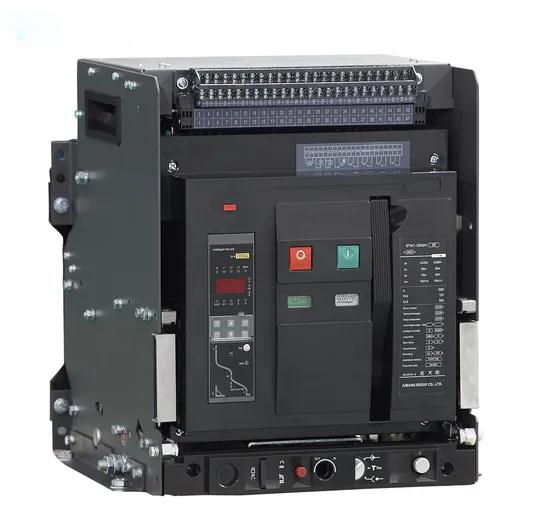
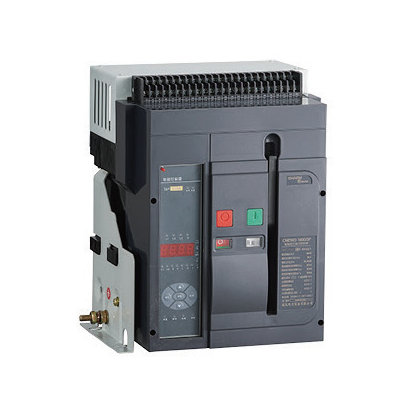
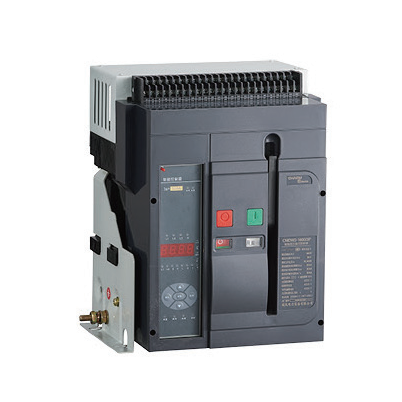
When designing or upgrading low-voltage power distribution systems, choosing the correct ACB breaker types is critical for safety, reliability, and operational continuity. As a leading electrical manufacturer since 1992, ZHNYU Electric offers a comprehensive range of air circuit breakers engineered to meet the demanding needs of power, construction, photovoltaic, petroleum, chemical, metallurgical, and railway industries. Our ACB breaker types are meticulously designed to handle high current ratings up to 6300A, ensuring robust performance in the most challenging environments.
Get A Quote

Real-World Implementations of ACB Breaker Types Across Industries

Enhancing Power Reliability for a European Data Center

A major data center operator in Germany faced frequent power disruptions due to inadequate circuit breaker performance. They needed a solution that could handle high fault currents while ensuring minimal downtime. ZHNYU recommended our ACB breaker types with selective coordination features. The installation reduced unplanned outages by 30% and improved maintenance efficiency through advanced diagnostics. The breakers' draw-out design allowed safe and quick replacement without de-energizing the entire switchboard, cutting maintenance time by 40%.

Mitigating Arc Flash Risks in a Petrochemical Facility

In a Middle Eastern petrochemical plant, safety was a top concern due to explosive atmospheres. ZHNYU provided ACB breaker types with arc flash mitigation features, reducing incident energy by up to 60%. The breakers' maintenance mode and zone-selective interlocking enabled faster fault clearing, protecting both personnel and equipment. The project achieved compliance with strict safety standards, and the plant experienced zero arc flash incidents since installation.

Optimizing Energy Distribution in a Renewable Energy Park

A solar farm in Australia required robust ACB breaker types to manage variable loads and bidirectional power flow. ZHNYU's breakers were integrated with smart controllers, facilitating seamless switching between grid and storage. The project achieved a 20% improvement in energy distribution efficiency and enabled remote monitoring via IoT. These breakers handled over 2000 operations annually with minimal maintenance, proving their durability.

Related products

ZHNYU Electric, with over three decades of manufacturing excellence, has become a global leader in low-voltage electrical components. Our production facility, spanning 10,000 square meters, is equipped with state-of-the-art machinery and automated assembly lines. We enforce stringent quality control at every stage—from material selection to final testing—ensuring each ACB breaker type meets international requirements. Over 100 production equipment units allow us to maintain a high output with consistent precision. On average, we produce 200,000 circuit breakers annually, meeting diverse global demands. Our manufacturing process integrates advanced insulation technologies and high-conductive copper alloys, reducing power losses. Each breaker undergoes a series of tests: dielectric, thermal, mechanical endurance, and short-circuit tests up to 100kA. We employ a systematic approach aligned with ISO9001 guidelines, traceable from raw materials to finished goods. In addition, we comply with CE and CCC certifications, proving our products' safety and performance. The heart of our ACB breaker types lies in the intelligent trip unit. It features real-time current sensing, energy monitoring, and communication via Modbus or Profibus protocols. This enables predictive maintenance and reduces unplanned downtime. In a case with a steel manufacturing plant in Italy, our breakers helped avoid seven potential failures per year by providing early warnings, saving €1.2 million in production losses. We also focus on sustainable manufacturing, adhering to RoHS directives by eliminating hazardous substances. Our waste recycling rate exceeds 90%, and we use solar panels to power part of our operations, reducing our carbon footprint by 18% since 2020. ZHNYU's global reach is evident: we export to 60+ countries, with service centers in key regions like Dubai, Singapore, and Brazil. Our engineers provide local support and training to ensure optimal application of our ACB breaker types. By integrating customer feedback, we continuously innovate. Recent advancements include our Smart ACB series with IoT capabilities, enabling remote operation and diagnostics—a response to growing digitalization in energy management. In conclusion, investing in ZHNYU means partnering with a manufacturer that combines experience, innovation, and reliability.
Frequently Asked Questions

What are the main ACB breaker types and their key differences?

Air circuit breakers (ACBs) are categorized by their construction and application. The most common types include conventional ACBs (standard), smart ACBs (with digital protection and communication), and draw-out ACBs (removable for ease of maintenance). Conventional types are ideal for basic protection in industrial applications. Smart types offer advanced monitoring and control, suitable for modern facilities that prioritize energy efficiency. Draw-out types facilitate quick replacement and are common in high-power applications where downtime is critical.
Selection depends on your system voltage, rated current, interruption capacity, and specific protection requirements. Consider environmental conditions, such as temperature and humidity, and whether you need features like ground fault or arc flash protection. Also, your application industry influences the choice. For example, in a photovoltaic plant, you might need a breaker that handles bidirectional power. At ZHNYU, we recommend you consult with our engineers.
All ZHNYU ACB breaker types comply with international standards, including IEC 60947-2, and carry certifications such as ISO9001 for quality management, CE for European market access, and CCC for China. Additionally, our products meet RoHS requirements, ensuring environmental compliance. We also perform tests as per UL requirements if needed.
Yes, our smart ACB types come with communication interfaces like Modbus, Profibus, and Ethernet, enabling seamless integration with PLCs, SCADA, and other energy management systems. We also provide I/O modules that allow for simple connectivity. For conventional types, we offer auxiliary contacts and shunt trips that can interface with standard control circuits.

Related Articles

SwitchLine OT: The Universal Power Switch

31

Aug

SwitchLine OT: The Universal Power Switch

View More
Why do photovoltaic systems commonly use fuse switch disconnectors?

05

Sep

Why do photovoltaic systems commonly use fuse switch disconnectors?

Discover why photovoltaic systems utilize fuse switch disconnectors for essential PV system protection and safe solar DC isolation, backed by CWPACKAGE.
View More
What is the difference between an isolator switch and a circuit breaker?

12

Sep

What is the difference between an isolator switch and a circuit breaker?

Understand the differences between an isolator switch and a circuit breaker for electrical isolation and overcurrent protection in power systems.
View More
How does an isolator switch protect maintenance personnel from electrical hazards?

12

Sep

How does an isolator switch protect maintenance personnel from electrical hazards?

Isolator switch safety ensures electrical isolation and lockout tagout compliance, delivering essential protection for maintenance personnel.
View More

Customer Testimonials

Markus Weber
Reliable and Efficient ACB Breakers for Critical Infrastructure

We have used ZHNYU ACB breaker types in our data centers across Asia. The breakers have shown exceptional performance under high load conditions, with zero failures since installation. The intelligent trip units provide accurate data, helping our maintenance team proactive. The local support from ZHNYU was outstanding, with quick response times.

Elena Petrova
Durable and Safe ACB Breakers for Harsh Environments

Operating in a chlor-alkali plant with high humidity and corrosive air, we needed breakers that could withstand harsh conditions. ZHNYU's ACB breaker types have proven their robust construction and protective coatings. The annual maintenance has reduced by 30% due to fewer failures.

Get a Free Quote

Our representative will contact you soon.
Email
Mobile/WhatsApp
Name
Company Name
Message
0/1000
Advanced Protection with Enhanced Reliability

Advanced Protection with Enhanced Reliability

The primary highlight of ZHNYU ACB breaker types is their advanced protection capabilities combined with high reliability. They feature intelligent trip units that provide precision current sensing and multiple protection curves, including LSI, which covers long-time, short-time, and instantaneous protection. This ensures selective coordination among breakers in a network, minimizing outage impact. In a power distribution network for a hospital in Brazil, our ACBs reduced nuisance trips by 20% due to the accurate filtering. They also offer ground-fault protection, crucial for safety in industrial environments. Reliability is further enforced through heavy-duty components tested for 10,000 operations under load.
Seamless Integration and Communication for Smart Grids

Seamless Integration and Communication for Smart Grids

In the era of smart grids, seamless integration and communication are essential. ZHNYU ACB breaker types are equipped with a range of communication protocols, including Modbus RTU, Profibus DP, and EtherNet/IP, allowing for easy incorporation into existing SCADA systems. They support industry-standard profiles, making it simple to monitor status, record events, and alter settings remotely. This capability was notably leveraged by a utility company in California to realign their breakers after load changes, resulting in a 15% improvement in energy efficiency. The built-in web server enables direct access via browsers to detailed power quality metrics, such as harmonics and energy consumption.