630A–1000V DC, IEC-Certified & Custom

All Categories
Fuse Base Solutions Engineered for Reliable Low-Voltage Power Distribution

Fuse Base Solutions Engineered for Reliable Low-Voltage Power Distribution

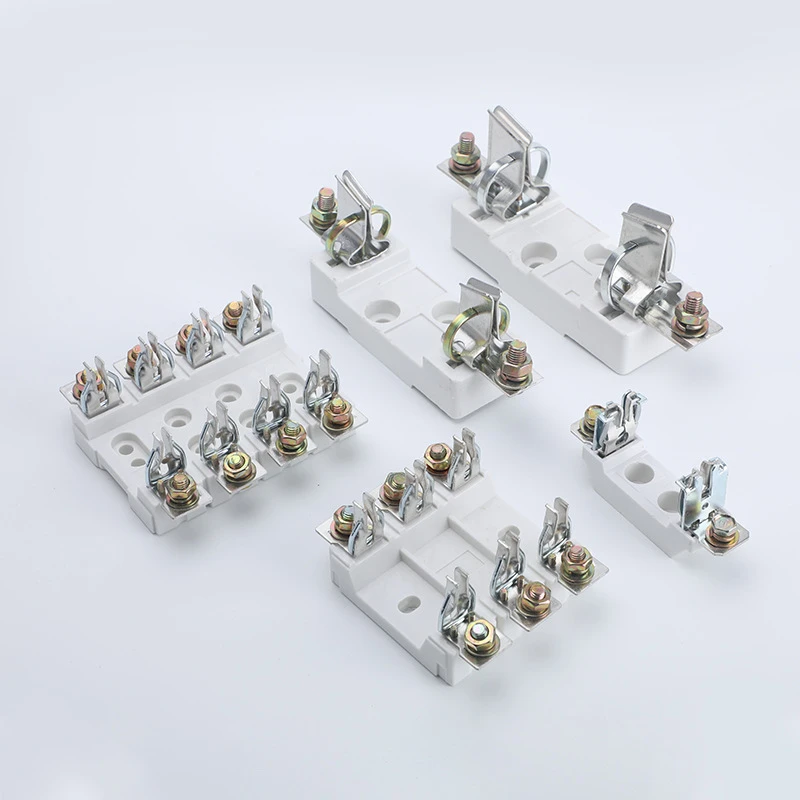
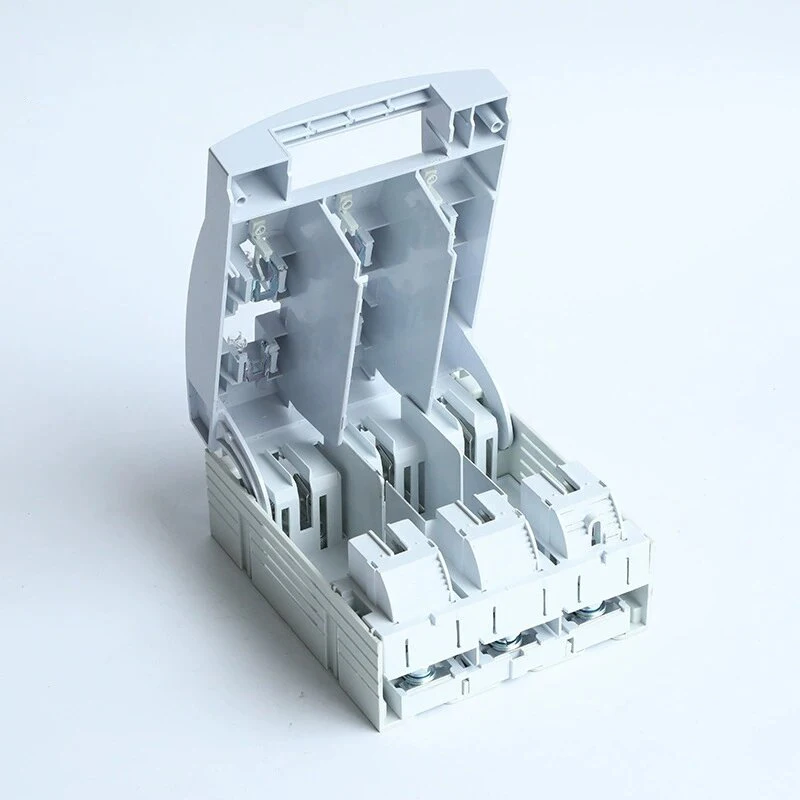
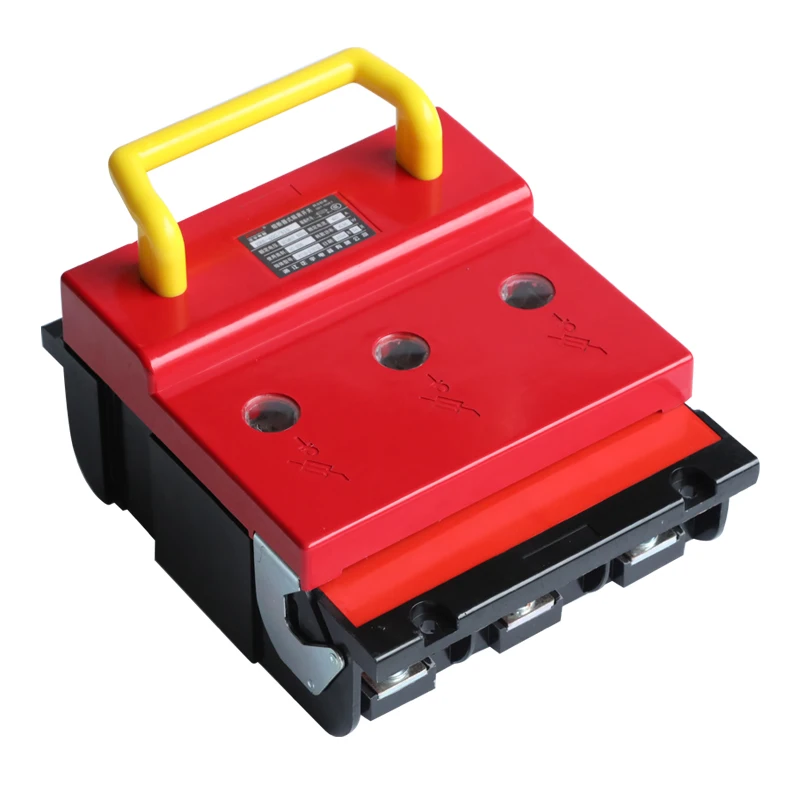
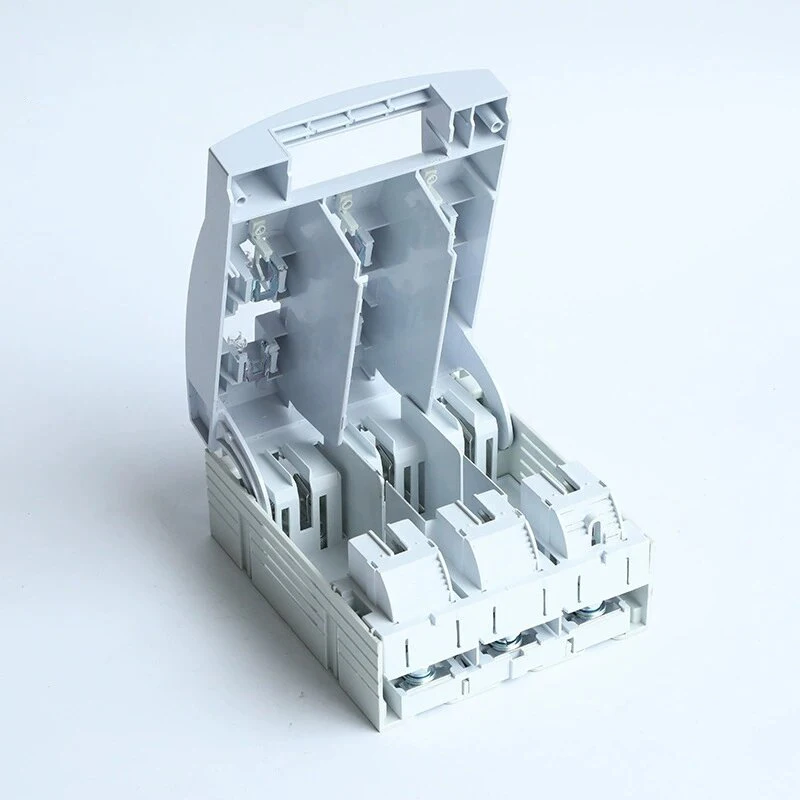
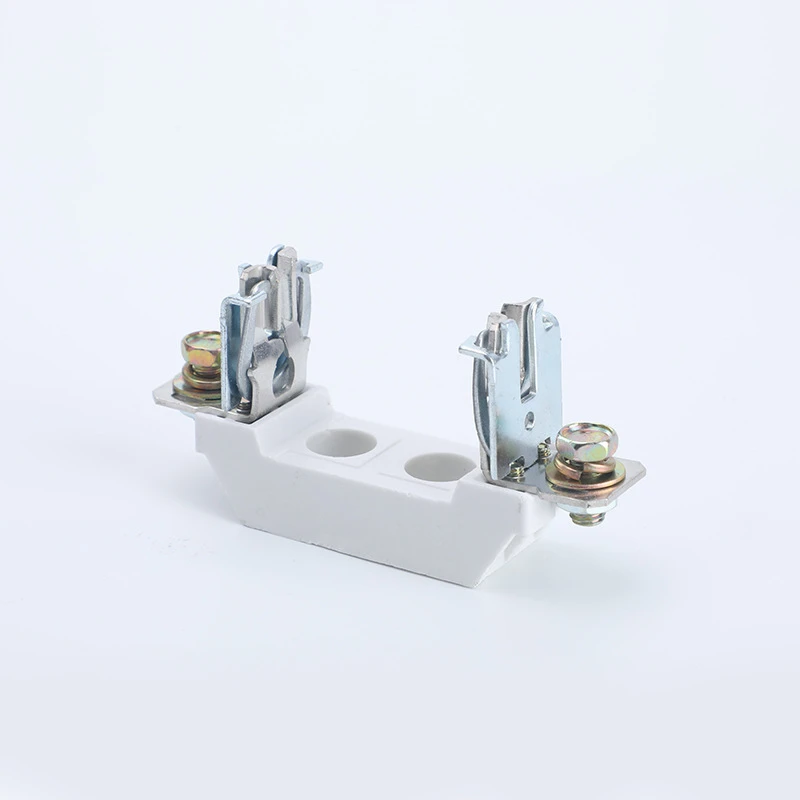
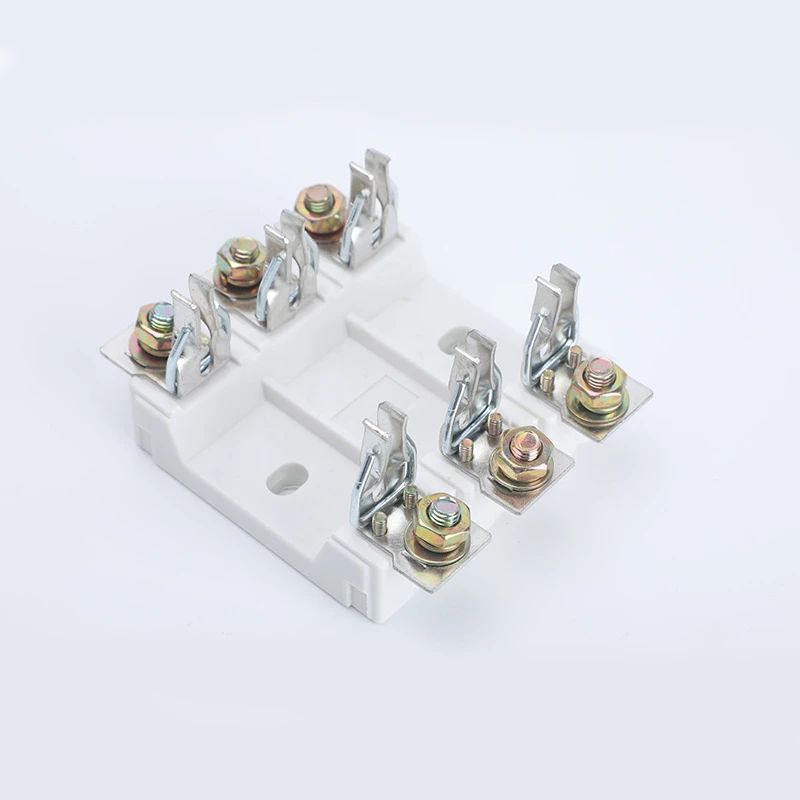
ZHNYU ELECTRIC has manufactured fuse base products since 1992, building 34 years of production experience into every fuse base, fuse holder and fuse-type isolating switch we ship to more than 60 export countries. Our fuse base range covers modular DIN-rail fuse bases, panel-mounted fuse bases and fuse base assemblies rated from 32A to 630A, with voltage ratings up to 690V AC and breaking capacities aligned to IEC 60269 and GB/T 13539 standards. Each fuse base is moulded from flame-retardant glass-fibre reinforced thermoplastic that withstands 960 degrees C glow-wire testing, while copper alloy contacts are silver-plated to keep contact resistance below 0.5 mOhm after 10,000 mechanical operations.
Get A Quote

Case Study

630A Fuse Base Retrofit for a Middle East Oil Refinery Switchgear Line

A refinery in the Middle East operated legacy switchgear with fuse bases that overheated whenever ambient temperatures exceeded 45 degrees C, causing nuisance trips on critical pump feeders. The engineering team needed a fuse base rated for 630A with a higher thermal withstand and the same mounting footprint, because downtime windows were limited to six hours. ZHNYU ELECTRIC supplied a 630A fuse base with silver-plated copper contacts, glass-fibre reinforced housings and an optimised heat-dissipation profile. Before shipment, each unit underwent 100 percent dielectric and contact-resistance testing; measured temperature rise stayed 18 percent below the IEC 60269 limit during a 1,200A overload test.

DC Fuse Base for a 150 MW Photovoltaic Plant in Southeast Asia

An EPC contractor building a 150 MW photovoltaic plant in Southeast Asia needed DC fuse bases for combiner boxes exposed to high humidity, salt air and daily thermal cycling. Early field trials with generic fuse bases produced contact corrosion and voltage-drop alarms within nine months. ZHNYU ELECTRIC engineered a 1,000V DC fuse base with tinned copper terminals, sealed contact chambers and UV-stabilised thermoplastic bodies. Samples passed 2,000 hours of damp-heat testing at 85 degrees C and 85 percent relative humidity, plus 500 hours of salt-spray testing. The contractor installed 3,600 fuse bases across 120 combiner boxes, and commissioning tests recorded stable contact resistance below 0.6 mOhm at every position.

Compact 32A Fuse Base for Railway Signalling Cabinets in Europe

A European railway signalling integrator required a compact 32A fuse base for trackside cabinets where vibration, temperature swings from -30 to 70 degrees C, and space constraints ruled out standard holders. The integrator had experienced intermittent contact failures with previous fuse bases after 12 months in service. ZHNYU ELECTRIC developed a 10x38 fuse base with dual-clamp terminals, reinforced locking clips and a low-profile body that freed 22 percent more DIN-rail space inside each cabinet. Prototypes passed 5 million vibration cycles, 2,000 hours of salt-spray testing and 1,000 thermal shock cycles. The integrator deployed 8,400 fuse bases across 600 signalling cabinets on a 320 kilometre line.

Related products

A fuse base is a deceptively simple component, yet its design, materials and manufacturing discipline determine whether a power distribution system stays safe for decades. At ZHNYU ELECTRIC, fuse base production begins with application review: our engineers classify each enquiry by rated current, voltage, AC or DC duty, breaking capacity, mounting style and environmental exposure. This front-end analysis prevents the most common cause of premature fuse base failure, which is a mismatch between the fuse base rating and real operating conditions such as continuous load, ambient heat or vibration. Raw materials are then released under an incoming quality plan.

Frequently Asked Questions

What Certifications and Test Reports Accompany Your Fuse Base Products?

Every fuse base shipment is supported by ISO9001 quality system certification, CCC and CE marks where applicable, a metering production license and RoHS-compliant material declarations. We provide routine test reports for dielectric strength, contact resistance and temperature rise, and type test reports covering mechanical endurance and damp-heat performance to IEC 60269 and GB/T 13539. For project customers, we can issue batch-specific inspection certificates.
Yes. Our tooling and mould workshops support custom fuse base designs, including non-standard terminal layouts, specific mounting footprints, branded laser marking, custom colour housings and retail packaging. Typical development takes 15 to 30 days for samples, depending on complexity, followed by pilot production and full validation testing. Because we control moulding, metal stamping, plating and assembly in-house.
Standard fuse base models ship from stock or within 15 to 25 days, while custom variants typically require 30 to 45 days after sample approval. Minimum order quantities are flexible: we support mixed-model container loads for distributors and smaller trial orders for panel builders evaluating our fuse base quality. Orders are consolidated with fuses, fuse-type isolating switches and other low-voltage components to optimise freight.
Each fuse base passes 100 percent inline electrical testing before packing, and every batch is traceable by laser code to its production date, machine and operator. We offer a standard 18-month warranty against manufacturing defects, replaced free of charge after verification. Technical support includes installation guidance, torque specifications, derating tables and failure analysis. For continuous-process industries such as petroleum, chemical and metallurgy.

Related Articles

A fuse switch disconnector offers both switching and circuit protection in one device.

12

Sep

A fuse switch disconnector offers both switching and circuit protection in one device.

Need reliable circuit protection AND switching in one device? Fuse switch disconnectors deliver safety, compliance, and space savings. Get expert guidance now.
View More
Why is an isolator switch required in every electrical panel installation?

12

Sep

Why is an isolator switch required in every electrical panel installation?

Need to comply with IEC 61439 & NEC safety standards? Discover the critical role of isolator switches in panel safety, maintenance, and regulatory compliance. Learn more now.
View More
What are the main advantages of using a knife switch in low-voltage panels?

17

Sep

What are the main advantages of using a knife switch in low-voltage panels?

Discover knife switch advantages in low-voltage panels. A reliable LV disconnect switch provides visual isolation and exceptional thermal stability.
View More
Why is a load break switch essential for transformer protection?

12

Sep

Why is a load break switch essential for transformer protection?

A load break switch ensures transformer protection and medium voltage switching, delivering essential electrical safety for power distribution networks.
View More

Customer Testimonials

Sales Director
Consistent Fuse Base Quality Across 12 Container Shipments

We have imported fuse bases from ZHNYU ELECTRIC for three years, covering 32A to 250A models for our panel-building business. Across 12 container shipments and more than 46,000 fuse bases, incoming inspection rejection has stayed below 0.3 percent, and contact resistance readings are consistently under 0.5 mOhm. Their engineers helped us standardise four fuse base part numbers, which cut our inventory SKUs by 35 percent.

Procurement Manager
DC Fuse Base Solved Our Photovoltaic Combiner Box Failures

Our 80 MW photovoltaic project suffered repeated fuse base failures with a previous supplier, with field returns reaching 3 percent after one year. ZHNYU ELECTRIC supplied a 1,000V DC fuse base with sealed terminals and full test documentation. After 20 months in high-humidity coastal conditions, our field return rate is 0.2 percent and string availability exceeds 99.6 percent.

Get a Free Quote

Our representative will contact you soon.
Email
Mobile/WhatsApp
Name
Company Name
Message
0/1000
34 Years of Focused Fuse Base Manufacturing Experience and In-House Tooling

34 Years of Focused Fuse Base Manufacturing Experience and In-House Tooling

Since 1992, ZHNYU ELECTRIC has concentrated on low-voltage electrical components, and fuse base production reflects that accumulated know-how. Our 10,000 square meter plant houses 100+ production equipment units, including injection moulding machines, CNC contact presses, plating lines and automated test benches. In-house tooling and mould workshops mean a new fuse base design moves from drawing to sample in as little as 15 days, instead of the two to three months typical when tooling is outsourced. This vertical integration also protects quality: we control resin grades, copper alloy composition, plating thickness and assembly torque.
Certified Fuse Base Quality System Aligned With IEC, CE and RoHS Market Requirements

Certified Fuse Base Quality System Aligned With IEC, CE and RoHS Market Requirements

International buyers cannot afford non-compliant protection components, so our fuse base quality system is built for global market access. ZHNYU ELECTRIC holds ISO9001 certification, applies CCC and CE marking where applicable, operates under a metering production license and maintains full RoHS compliance with material declarations available on request. Every fuse base undergoes 100 percent inline dielectric and contact-resistance testing, plus lot-based temperature-rise and mechanical endurance verification to IEC 60269 and GB/T 13539. We retain type test reports covering 10,000 operating cycles, 1,000 hour damp-heat exposure and 960 degrees C glow-wire performance, giving consultants and utilities the documentation needed for project approval.