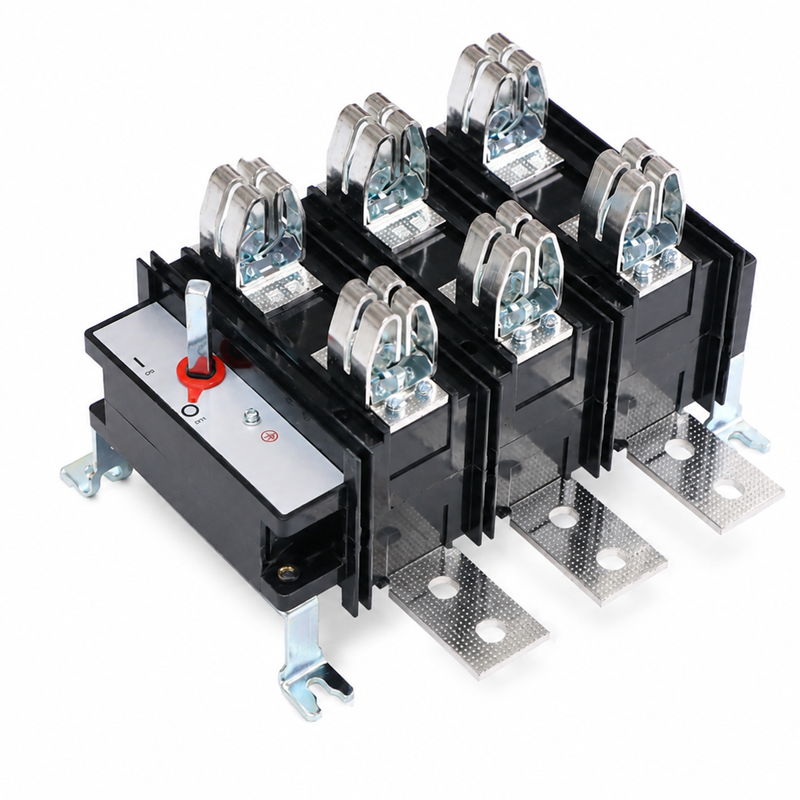
Low Voltage Fuse Links: 120kA Protection & gPV

All Categories
Low Voltage Fuse Links for Reliable Circuit Protection – Trusted by Global Industries

Low Voltage Fuse Links for Reliable Circuit Protection – Trusted by Global Industries

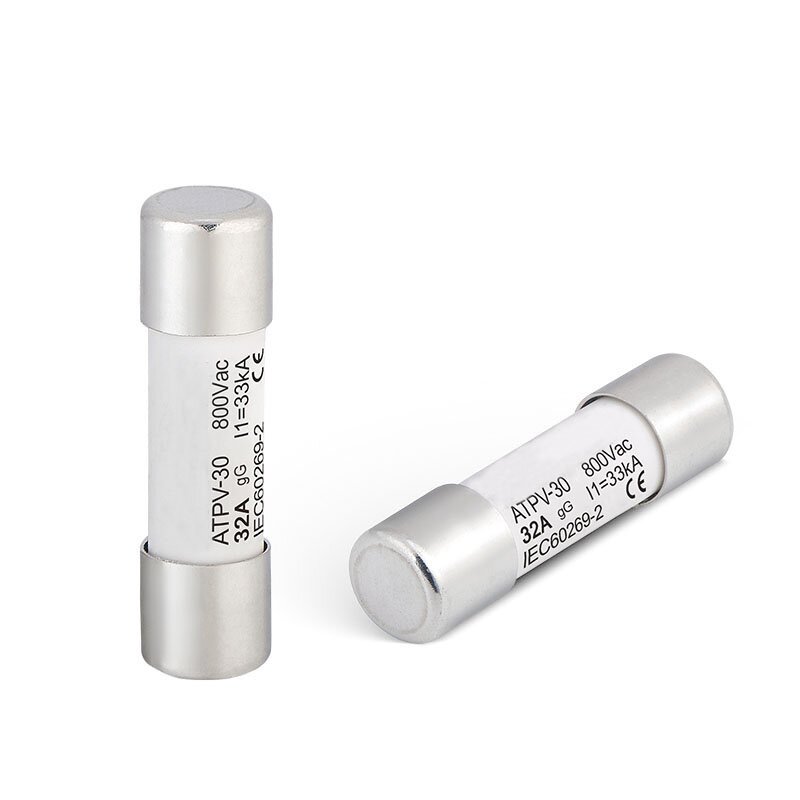
ZHNYU ELECTRIC has been a leader in low voltage electrical protection since 1992, delivering low voltage fuse links that meet the rigorous demands of modern power distribution, industrial control, and renewable energy systems. Our fuse links are engineered to provide precise overcurrent protection, ensuring safety and minimizing downtime in applications ranging from photovoltaic plants to petrochemical facilities. With over 34 years of production experience, we have refined our manufacturing processes to achieve exceptional consistency and performance. Our advanced production lines, spanning over 10,000 square meters, are equipped with more than 100 state-of-the-art machines.
Get A Quote

Case Study

Protecting Solar Inverters in a Photovoltaic Plant in Spain – Reducing Downtime by 40%

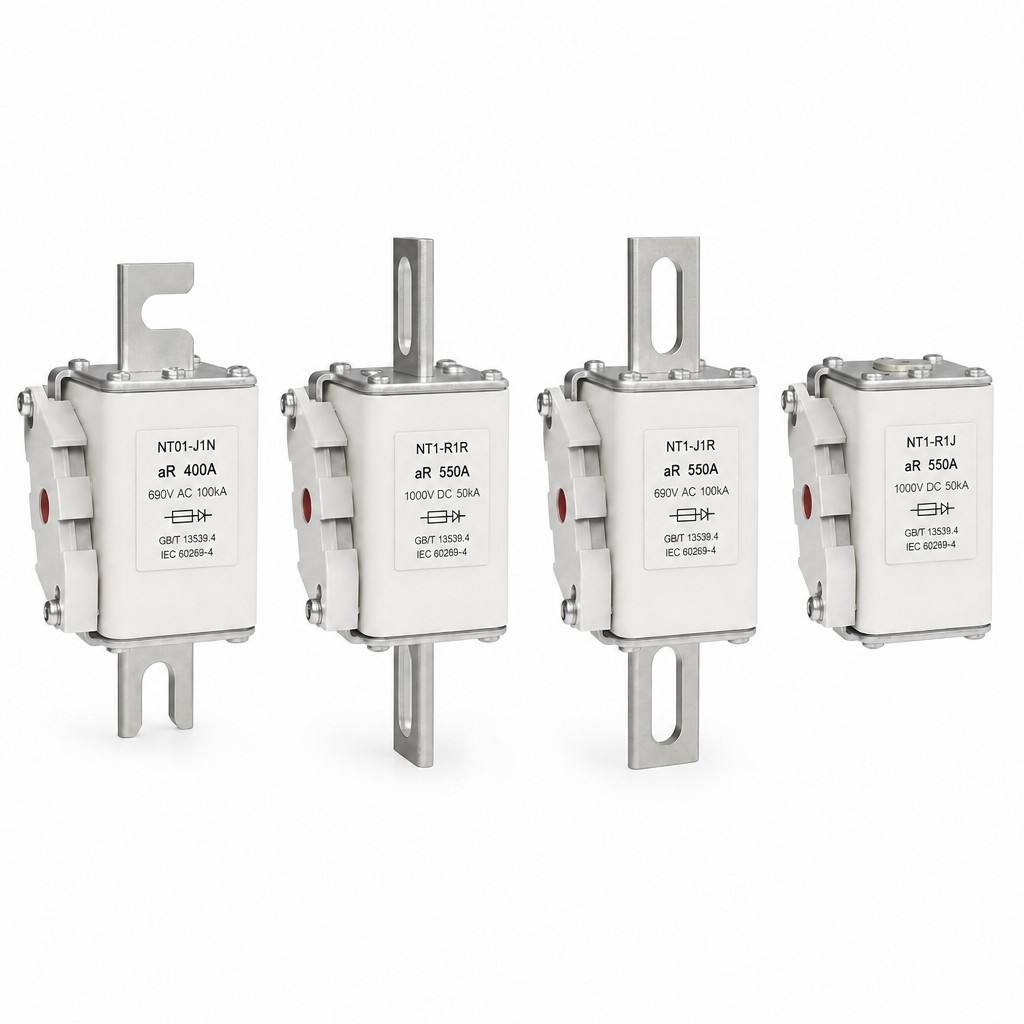
In the harsh environment of a 50MW solar plant near Seville, frequent grid fluctuations caused inverter failures due to overcurrents. The plant operators needed a solution that could protect their expensive inverters without introducing nuisance tripping. After evaluating several options, they selected ZHNYU's low voltage fuse links of type gPV. We supplied 1500 fuse links rated at 1000V DC with a breaking capacity of 50kA. Our fuse links were installed in the DC combiner boxes. Over the following year, the plant saw a 40% reduction in inverter downtime compared to the previous year, because our fuses provided precise coordination with the inverter's overload capabilities.

Enhancing Safety in a Chemical Plant in the USA – Eliminating Equipment Damage

A large chemical processing facility in Texas was facing recurring damage to their motor control centers (MCCs) due to short circuits that the existing circuit breakers failed to clear fast enough. The management sought a more reliable protective device. We proposed our low voltage fuse links of type aM, designed for motor protection. With a response time of less than 1 millisecond under short-circuit conditions, our fuse links limited the let-through energy substantially. In a simulated fault test, our fuse links cleared a 50kA fault in 4 milliseconds, safely containing the arc and preventing damage to adjacent components.

Reliable Distribution in a Railway System in India – 30% Less Downtime

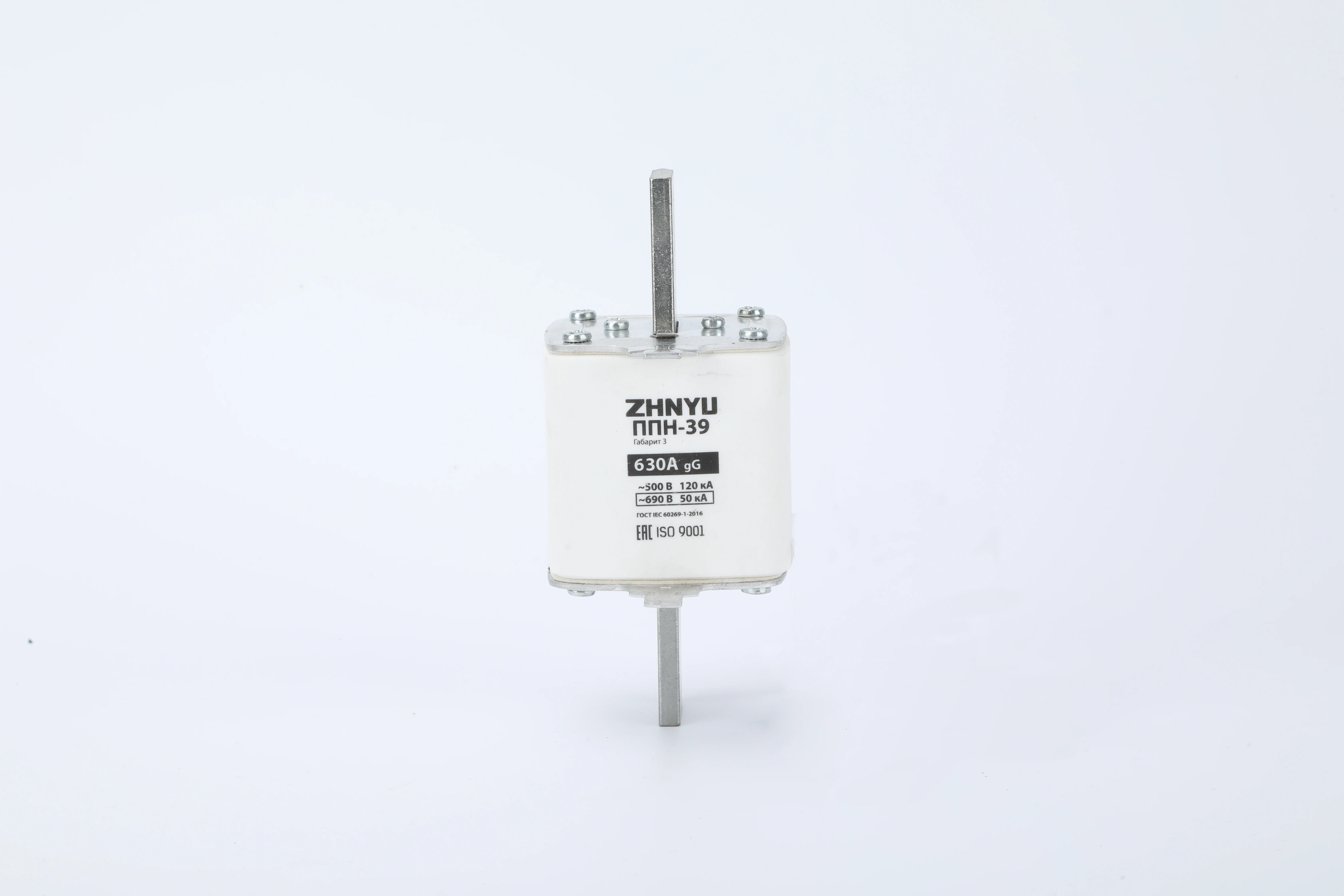
The Indian Railways modernized its eastern corridor, requiring robust low voltage protection for the signaling and control systems in over 120 substations. They needed fuse links that could withstand vibration, temperature extremes, and provide reliable operation over an extended period. We supplied our NH-type low voltage fuse links in various sizes, totally 25,000 pieces, with current ratings ranging from 63A to 630A. The fuse links were installed in the distribution boards. After two years of operation, the statistical analysis showed a 30% reduction in downtime caused by electrical faults compared to the legacy protection.

Related products

At ZHNYU ELECTRIC, our journey in the field of low voltage electrical components began in 1992, driven by a vision to provide world-class protection solutions. As a comprehensive manufacturer, we have dedicated ourselves to the research, development, and production of low voltage fuse links, which are critical components in any electrical system. Over the past three decades, we have accumulated a wealth of experience, enabling us to understand the intricate requirements of various industries. This insight has led to the development of a wide range of fuse links that cater to different applications from general distribution to specialized sectors like photovoltaic and electric vehicles. 

Frequently Asked Questions

What are the main differences between gG, gM, and aM types of low voltage fuse links?

gG, gM, and aM fuse links are designed for different protection purposes. gG type, also known as general-purpose fuse, offers full-range protection and is used for cables and distribution systems, providing both overload and short-circuit protection. gM type is intended for motor protection, capable of handling high inrush currents while protecting against overload and short-circuit; it is often used in motor starter circuits. aM type provides short-circuit protection only, meaning it does not respond to overloads but allows thermal overload relays to provide overload protection, which is common in motor circuits.
Yes, specially designed fuse links for photovoltaic (PV) systems are available. They are rated for DC voltages up to 1000V or 1500V and feature a high breaking capacity to handle the high short-circuit currents typical of solar panels. The insulation and housing are optimized to withstand UV exposure and outdoor conditions. Our PV fuse links, for instance, are compliant with the IEC 60269-6 standard.
Fuse links are designed to operate once. They should be replaced after they have functioned to protect the circuit. Additionally, if the fuse link shows signs of damage, such as cracks, discoloration, or corrosion, it should be replaced immediately. For critical applications, it is recommended to regularly test fuse links using proper testing equipment. Some industrial facilities adopt a preventive maintenance schedule, replacing fuse links every few years even if they have not operated, to ensure optimum performance. The environment and frequency of fault currents will influence the lifespan.
The required certifications vary depending on the target market. For the Chinese market, the CCC certification is mandatory. For Europe, a CE marking indicates compliance with relevant EU directives, and often the products are tested against IEC standards. In North America, fuses should be listed by UL or CSA. Additionally, certain industries may require specific quality approvals, such as marine certification for shipboard applications.

Related Articles

5 Common Relay Switch Failures — and How to Prevent Them

31

Aug

5 Common Relay Switch Failures — and How to Prevent Them

Diagnostic checklist for relay malfunctions with actionable prevention strategies.
View More
Why is ACB maintenance different from MCCB maintenance?

31

Aug

Why is ACB maintenance different from MCCB maintenance?

Air circuit breaker maintenance differs fundamentally from molded case. Learn why ACBs are serviceable, MCCBs are replaceable, and what that means for your facility.
View More
How does an isolator switch ensure complete electrical disconnection for safety?

01

Sep

How does an isolator switch ensure complete electrical disconnection for safety?

Isolator switch with visible break and lockable isolation for LOTO, per IEC 60947-3.
View More
Why is a load break switch essential for transformer protection?

12

Sep

Why is a load break switch essential for transformer protection?

A load break switch ensures transformer protection and medium voltage switching, delivering essential electrical safety for power distribution networks.
View More

Customer Testimonials

John Anderson

For over three years, we have been using ZHNYU’s low voltage fuse links in our solar farms across Alberta. The harsh winters and high UV conditions demand components that can withstand extreme conditions, and their fuse links have never failed. We had an incident where a string inverter shorted; the fuse cleared the fault in 10 milliseconds, preventing a potential fire.

Michael Schneider

As a plant manager in the chemical industry, ensuring the safety of our electrical infrastructure is paramount. The fuse links we ordered from ZHNYU have displayed unmatched quality; each unit is consistent and has clear labeling, which makes installation straightforward.

Get a Free Quote

Our representative will contact you soon.
Email
Mobile/WhatsApp
Name
Company Name
Message
0/1000
Advanced Manufacturing with In-House Testing up to 150kA

Advanced Manufacturing with In-House Testing up to 150kA

ZHNYU ELECTRIC’s rigorous quality assurance is founded on our in-house high-power testing facility, one of the few among low voltage fuse link manufacturers. We can simulate fault currents up to 150kA, ensuring that our fuse links meet the stringent breaking capacity requirements specified in international standards. This capability not only validates the performance of our standard products but also allows us to develop custom solutions for special applications where fault levels may be higher. Our testing lab is equipped with computerized acquisition systems that record and analyze the arc voltage, current waveforms.
Global Certifications and Compliance for Uninterrupted International Trade

Global Certifications and Compliance for Uninterrupted International Trade

In the interconnected world of electrical equipment, compliance with international standards is non-negotiable. ZHNYU’s low voltage fuse links carry ISO9001, CCC, CE and RoHS certifications, making them suitable for projects worldwide. Our certification process is continuous, with regular audits and product re-testing to ensure on-going compliance as standards evolve. This is particularly important for our export customers who rely on smooth customs clearance and project submissions. For instance, our products are tested to meet the demands of IEC 60269, yet they also satisfy AMENDMENT versions.