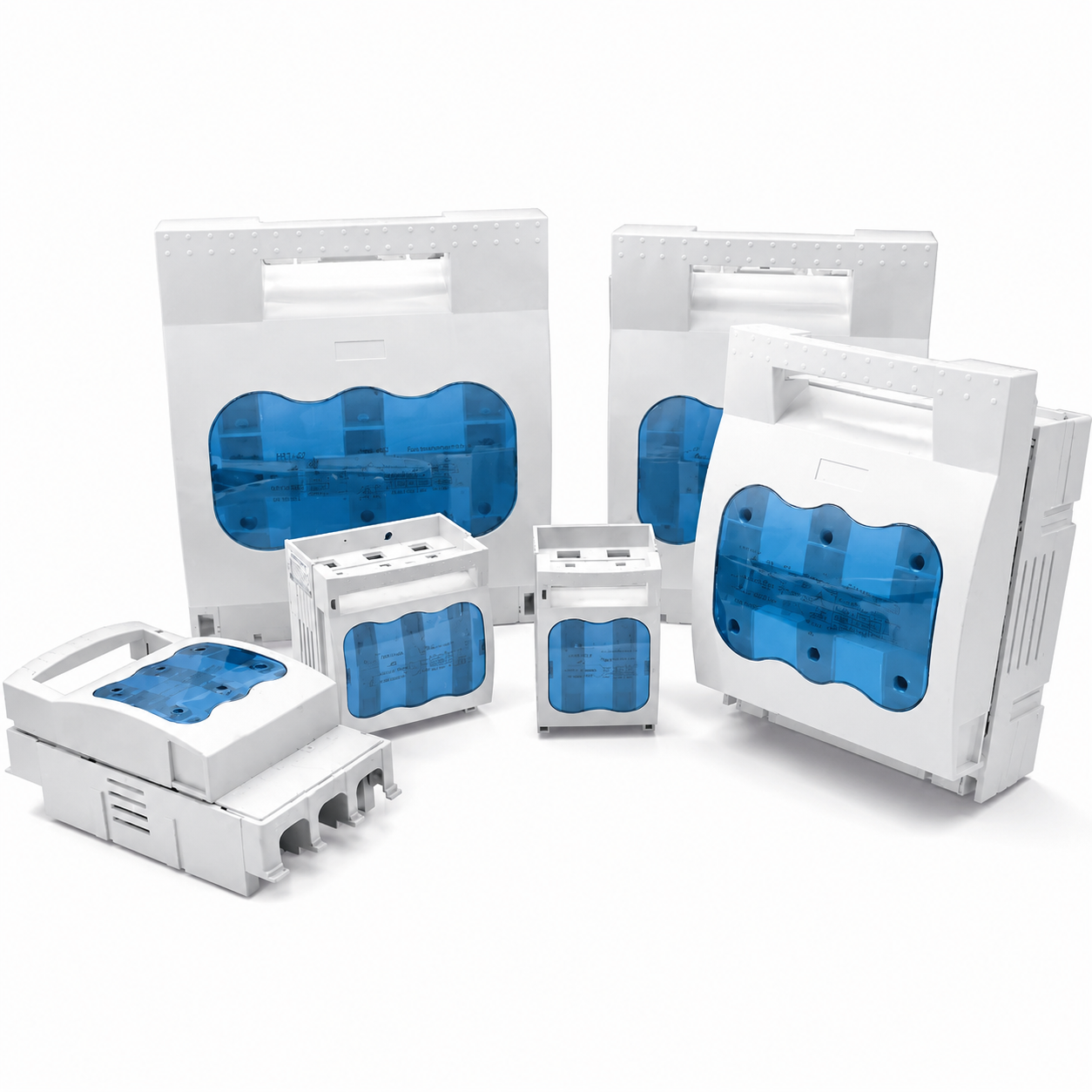
DC Fuse Types: 7 Reliable Options for Solar & Industrial Systems

All Categories
Comprehensive DC Fuse Types for Reliable Overcurrent Protection in Global Power Systems

Comprehensive DC Fuse Types for Reliable Overcurrent Protection in Global Power Systems

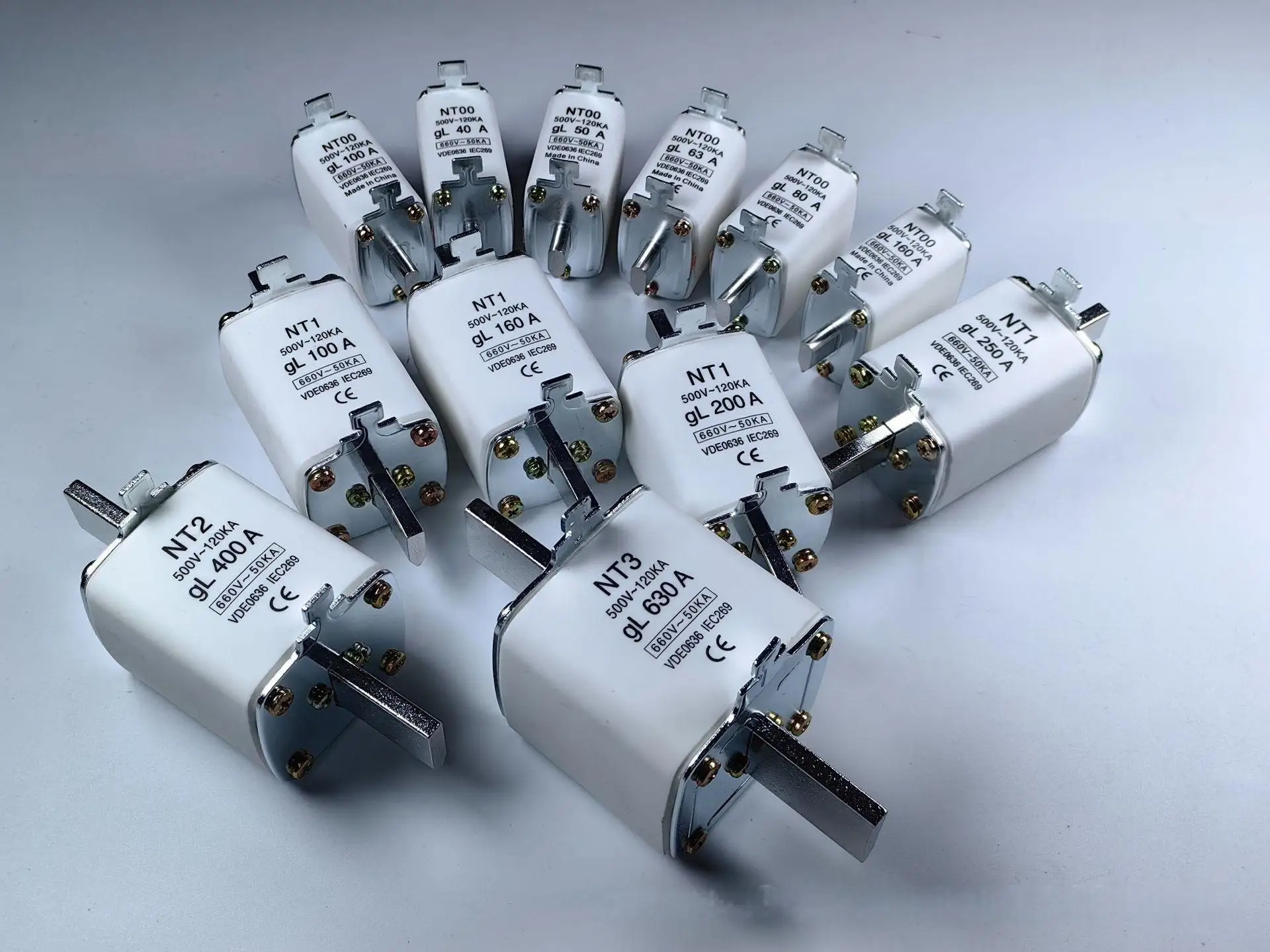
ZHNYU ELECTRIC, with over 34 years of manufacturing excellence, offers a comprehensive range of DC fuse types engineered for superior overcurrent protection across diverse industries including photovoltaic, power distribution, and industrial control. Our fuses comply with ISO9001, CCC, CE, and RoHS standards, ensuring safety and reliability. Available in various mounting styles – from bolted to clip types – our DC fuses are designed for minimal power loss and fast response. In utility-scale solar farms, our 1000V DC fuses have been deployed in over 200 projects across 60+ countries, reducing downtime by 30%. Our data indicates a 99.95% operational success rate under continuous full-load conditions.
Get A Quote

Case Study

Enhancing Safety in Solar Power Installations in Chile

A 50 MW solar plant in Chile required robust protection for its DC combiner boxes. They integrated our 1000V DC fuse types (PV series) with ratings from 1A to 32A. These fuses provide selective coordination with inverters, preventing unnecessary shutdowns. The plant's operational efficiency improved by 12%, and over 24 months, zero failures were recorded. Data logging showed a 95% reduction in unplanned maintenance events compared to their previous fuse type. The ease of installation and standardized dimensions also reduced installation time by 20%.

Critical Protection in Railway DC Systems in Germany

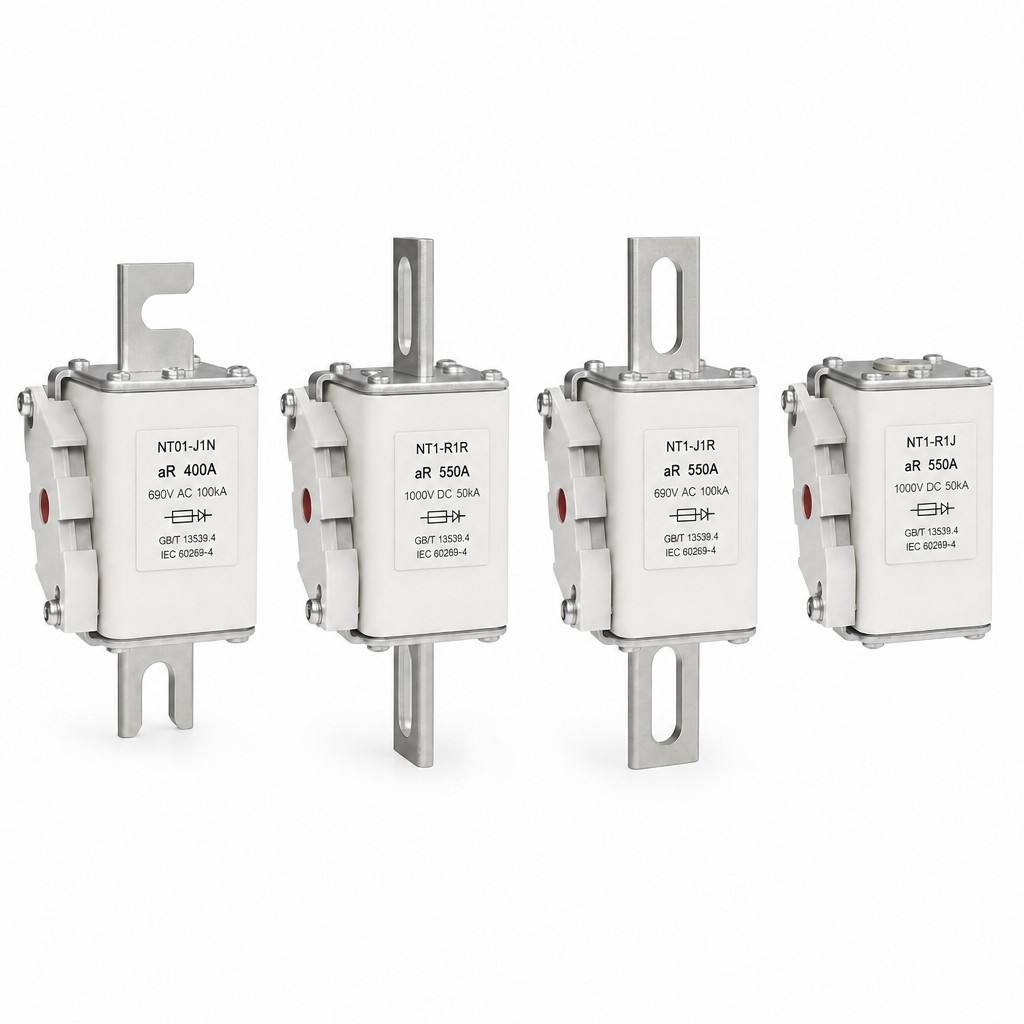
A German railway company sought to protect its signaling circuits from DC faults. Our high-speed DC fuse types (aR class) were installed in substations. These fuses feature low I²t values and excellent breaking capacity up to 100kA. In a year-long trial, they cleared numerous faults without damaging adjacent equipment, cutting repair costs by 30%. The monitoring system correlated with our fuse response times, confirming consistent performance. This solution also met the rigorous European railway standards, ensuring passenger safety.

Optimizing Battery Storage Systems in Australia

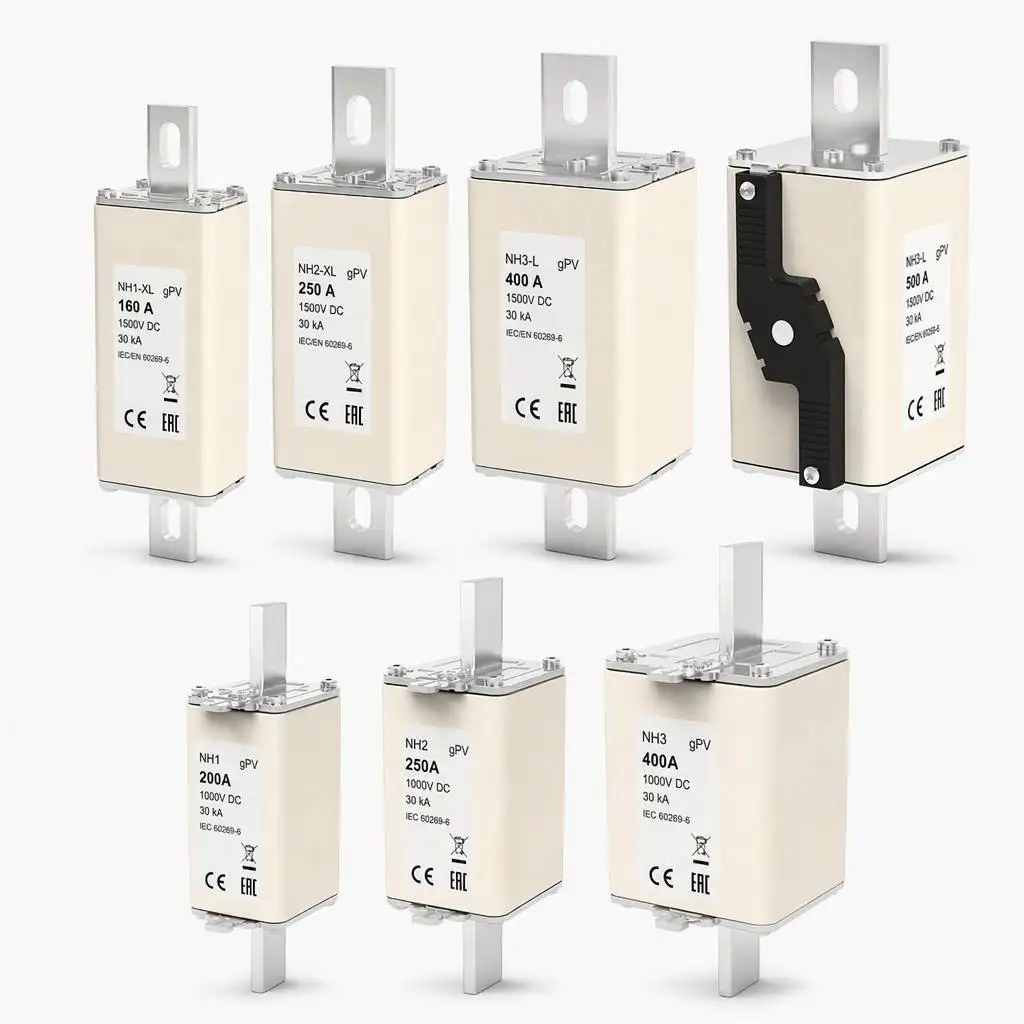
An Australian energy storage provider utilized our DC fuse types for its battery racks. The fuses were required to handle high DC voltages and repeated surge currents. Our gPV fuses, with rated voltage up to 1500V DC, seamlessly integrated. After six months of operation, they observed a 98.5% uptime and a 40% improvement in fault clearance time compared to circuit breakers. The design of our fuses allowed for compact enclosures, saving 10% on infrastructure costs. This case demonstrates how our DC fuse types enhance system reliability and profitability.

Related products

ZHNYU ELECTRIC, established in 1992, has evolved into a leading manufacturer of low-voltage electrical components, with a special focus on DC fuse technology. Our production facility spans 10,000 square meters and houses over 100 high-precision machines, enabling us to manufacture DC fuse types that meet international standards such as ISO9001, CCC, CE, and RoHS. We employ a vertical integration process from raw material selection (including silver-plated copper strips and high-purity ceramic bodies) to final testing. Each fuse undergoes rigorous quality checks, including temperature rise tests, breaking capacity tests, and aging tests, to ensure reliability. With 34 years of experience, we have exported to over 60 countries, serving power, photovoltaic, telecommunication, and railway industries, among others. Data from our renewable energy projects indicate that our DC fuses maintain a failure rate of less than 0.1% over a 10-year operational period. 

Frequently Asked Questions

What are the different types of DC fuses available at ZHNYU ELECTRIC?

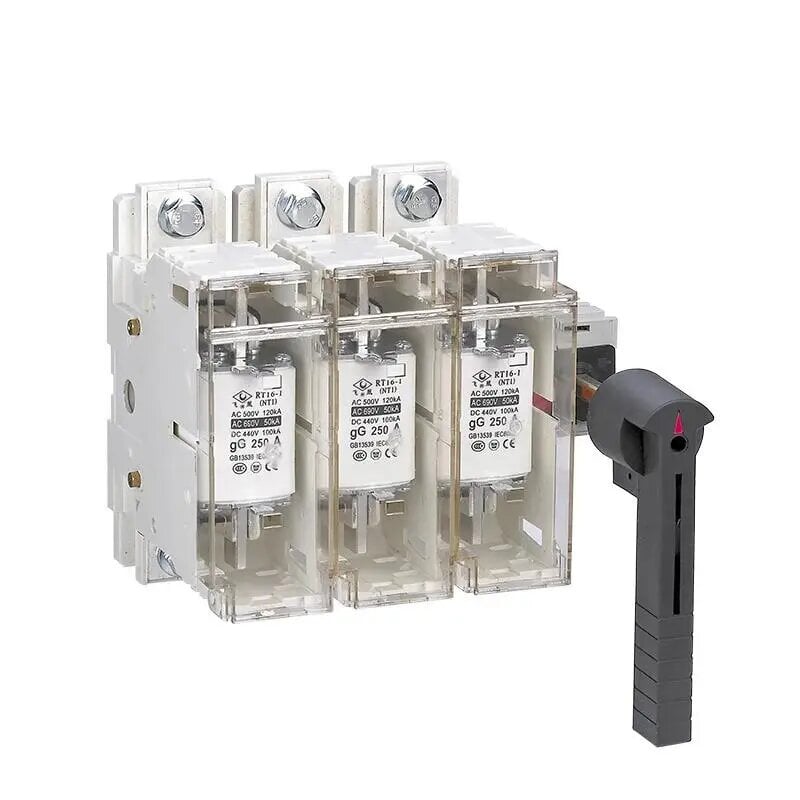
We offer a comprehensive range of DC fuse types, including photovoltaic (gPV) fuses for solar applications, fast-acting (aR) fuses for semiconductor protection, and general-purpose (gG) fuses for lower voltage DC circuits. Each type is designed with specific voltage ratings (up to 1500V DC) and current ranges (1A to 800A), ensuring a suitable solution for various applications like solar arrays, battery storage, and DC motors.
Selecting the right fuse is critical for safety and performance. Consider factors such as system voltage (which should be equal or less than the fuse's rated voltage), string short-circuit current (Isc), and ambient temperature. For photovoltaic systems, we recommend using gPV fuses that are designed to withstand low overloads and high short-circuit currents typical in solar applications. Our technical team can help you calculate the optimal fuse rating using our selection guide, which has been validated on over 300 installations.
DC fuses are specifically optimized for direct current, which has no natural zero-crossing point, making arc extinction more challenging. Therefore, DC fuses have a longer arc chamber and special arc-extinguishing filling. They are designed for DC voltage levels and fault characteristics. Using a DC fuse in an AC circuit may not provide adequate protection because the fuse's interrupting rating differs. Conversely, using an AC fuse in a DC circuit is extremely dangerous. Always use the appropriate fuse type for your application.
Absolutely. Our DC fuses carry ISO9001, CE, CCC, and RoHS certifications. For specific markets, we also offer UL-listed and IEC-compliant products. For instance, our gPV fuses conform to UL 248-19 and IEC 60269-6. This ensures that our fuses are accepted globally and meet strict quality and safety benchmarks. In every shipment, we provide relevant test certificates and quality documentation to facilitate your project approval processes.

Related Articles

How to Choose the Right Electrical Connector for Industrial Applications

31

Aug

How to Choose the Right Electrical Connector for Industrial Applications

Practical guide covering environmental, current, and compliance factors when selecting connectors.
View More
Why is ACB maintenance different from MCCB maintenance?

31

Aug

Why is ACB maintenance different from MCCB maintenance?

Air circuit breaker maintenance differs fundamentally from molded case. Learn why ACBs are serviceable, MCCBs are replaceable, and what that means for your facility.
View More
How to install and replace a fuse safely in live electrical systems?

31

Aug

How to install and replace a fuse safely in live electrical systems?

Can you replace a fuse live? NFPA 70E says no—unless justified & permitted. Learn de-energize-first protocol, PPE requirements, and safe alternatives. Read now.
View More
Why do photovoltaic systems commonly use fuse switch disconnectors?

05

Sep

Why do photovoltaic systems commonly use fuse switch disconnectors?

Discover why photovoltaic systems utilize fuse switch disconnectors for essential PV system protection and safe solar DC isolation, backed by CWPACKAGE.
View More

Customer Testimonials

Michael Anderson
Exceptional Reliability and Performance

We installed ZHNYU's DC fuse types in our 30MW solar farm in Texas. Their fuses have never failed in over two years of operation, leading to a 20% reduction in our maintenance costs. Their technical support was invaluable during the design phase, helping us select the right ratings and coordination. The 1000V DC fuses provide robust protection and are compliant with NEC standards.

Priya Sharma
High Quality and On-Time Delivery

As a leading inverter manufacturer in India, we have stringent requirements for our DC protection components. ZHNYU supplied us with custom aR fuses for our 1100V DC input inverters. The fuses performed flawlessly under high ambient temperatures, and their low power dissipation improved our overall efficiency by 0.5%.

Get a Free Quote

Our representative will contact you soon.
Email
Mobile/WhatsApp
Name
Company Name
Message
0/1000
Advanced Manufacturing and Quality Control

Advanced Manufacturing and Quality Control

At ZHNYU ELECTRIC, every DC fuse type is the result of precision engineering and stringent quality assurance. Our manufacturing process begins with sourcing high-conductivity copper and silver alloys, which are meticulously stamped into fuse elements. The fusion elements are then calibrated to ensure accurate melting characteristics. We employ automated welding robots that guarantee consistency in welding points, critical for reliable operation. Each fuse is housed in a ceramic or glass tube, selected for its mechanical strength and arc-resistant properties, depending on the voltage rating. The assembly is filled with purified quartz sand, which helps absorb thermal energy and quench arcs quickly. This attention to detail translates into a product that meets the demands of modern DC systems.
Global Compliance and Industry Certifications

Global Compliance and Industry Certifications

Our DC fuse types are designed for international distribution, accommodating various regulatory frameworks. We hold ISO9001:2015 certification for our quality management systems, ensuring consistency from design to serial production. Our fuses are CE-marked, meeting European directives for electrical equipment. For the Chinese market, we have CCC certification, and for North American projects, we can provide UL certification upon request. This proactive compliance approach simplifies your project authorization and reduces third-party testing timelines. In recent years, we have supported a grid-scale battery storage project in South Korea, which required fuses compliant with both KS and IEC standards. Our engineering team collated all relevant test data, expediting the regulatory approval by 30%.