Electrical Isolator: Certified 1000V/1250A Safety Switches

All Categories
ZHNYU ELECTRIC Electrical Isolators: Certified Reliability for 34 Years

ZHNYU ELECTRIC Electrical Isolators: Certified Reliability for 34 Years

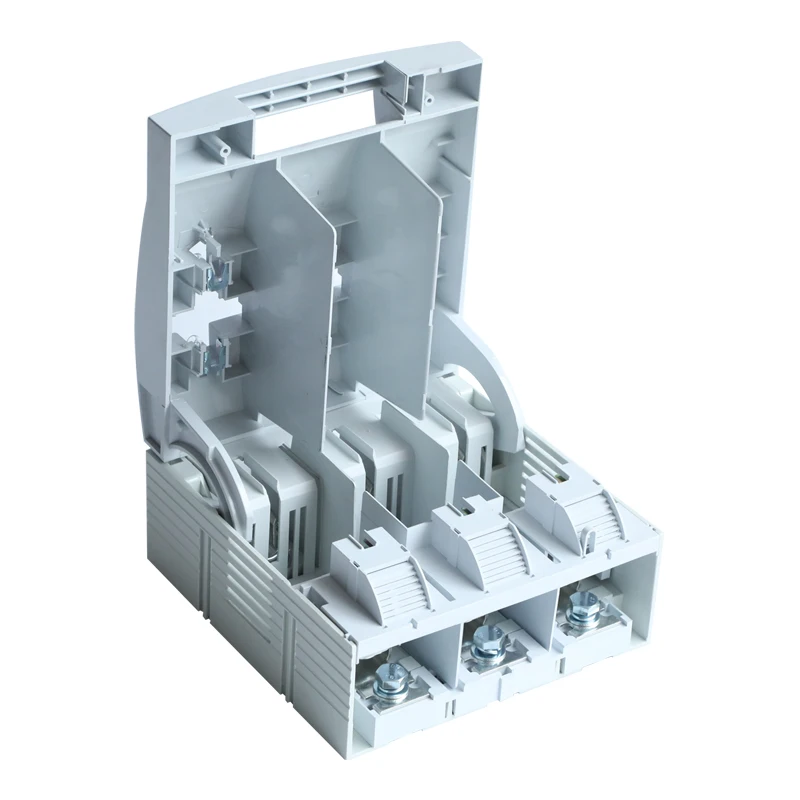
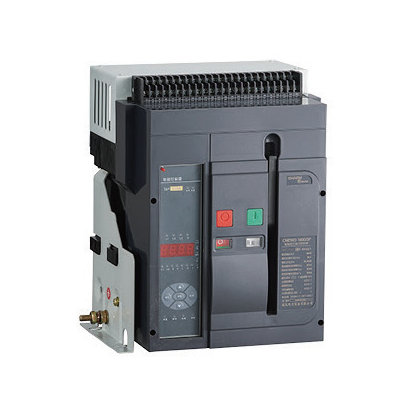
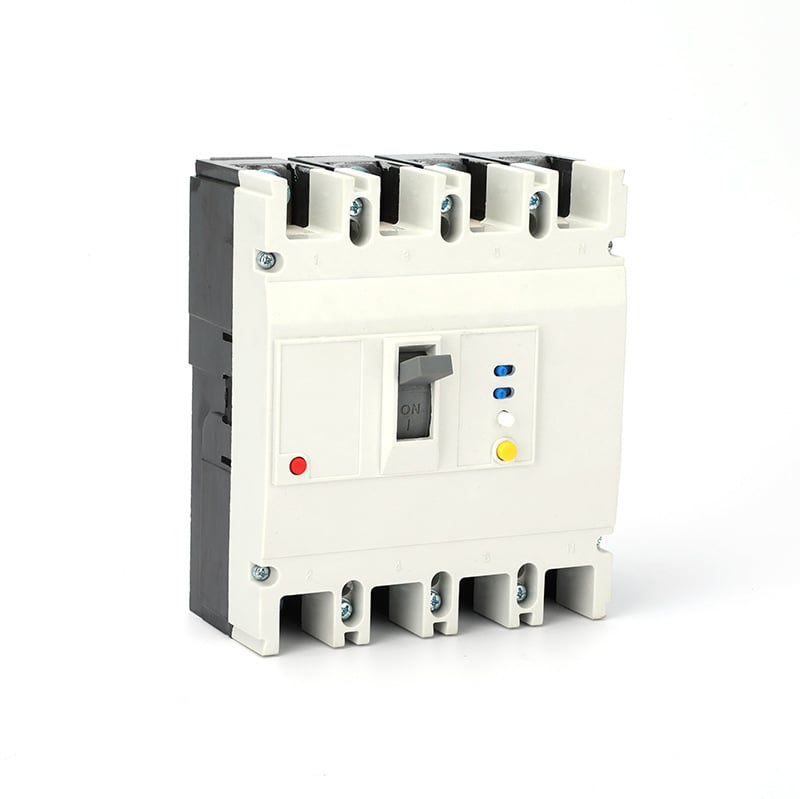
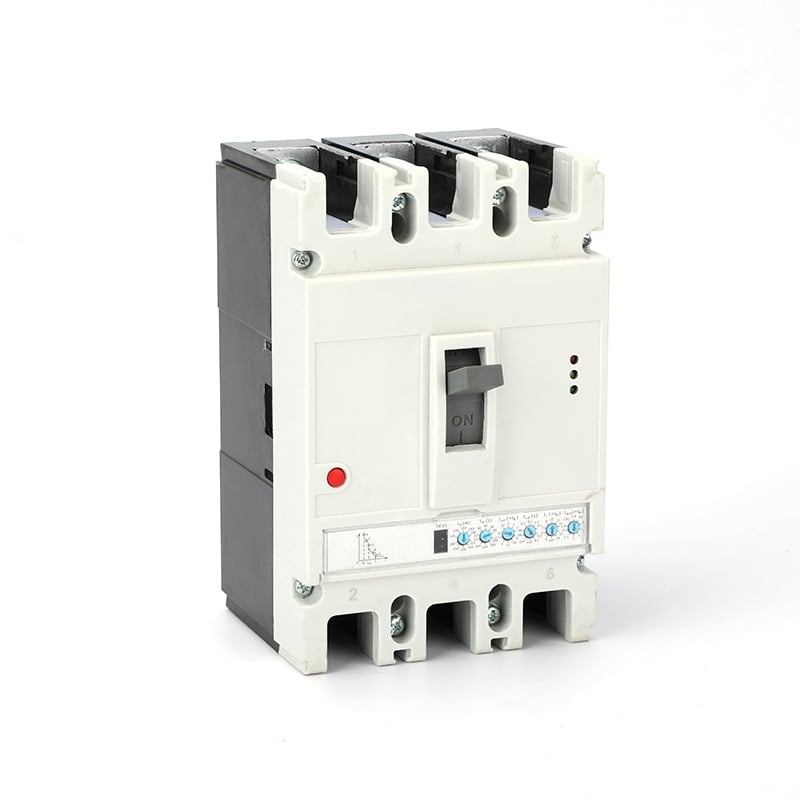
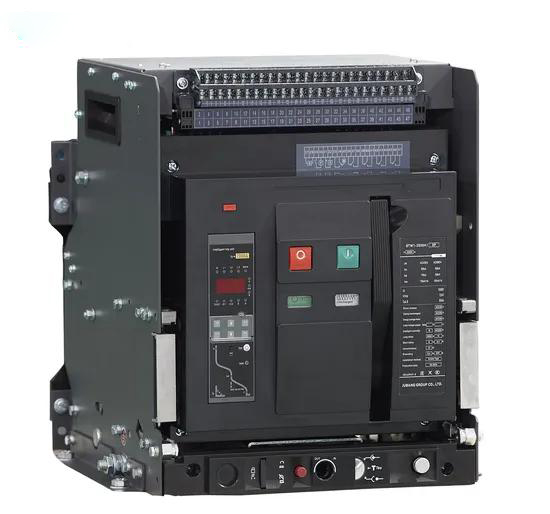
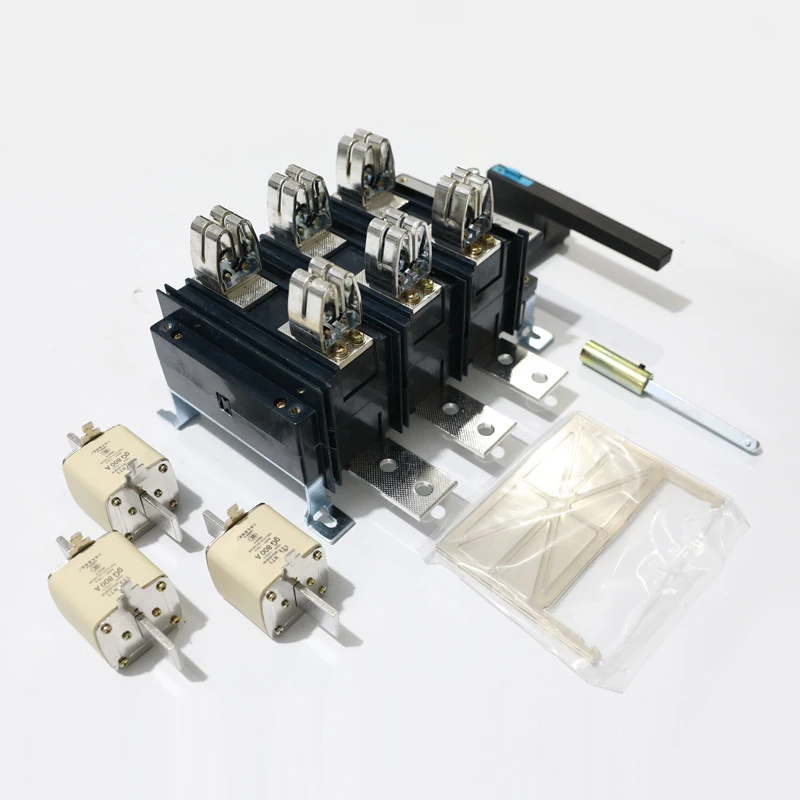
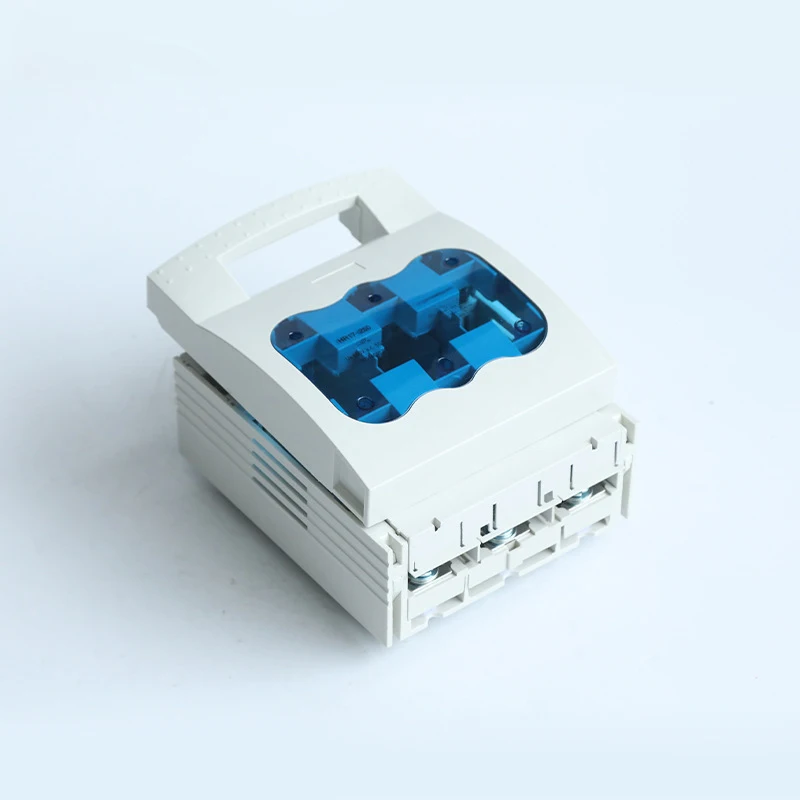
ZHNYU ELECTRIC's electrical isolators are engineered for safety and performance, providing visible disconnection in low-voltage power systems. With ISO9001, CCC, CE certifications and RoHS compliance, our isolators ensure dependable operation in power distribution, industrial control, and renewable energy applications. Leveraging 34 years of production experience and exporting to over 60 countries, we deliver products that meet rigorous international standards. Our electrical isolators are designed for quick installation and maintenance, reducing downtime in critical processes.
Get A Quote

Case Study

Enhancing Safety in a Saudi Arabian Petrochemical Facility

A major petrochemical plant in Saudi Arabia faced frequent isolation failures in their power distribution panels, leading to safety hazards and unplanned shutdowns. The facility required robust electrical isolators that could withstand harsh, corrosive environments while providing clear visible breaking. ZHNYU ELECTRIC supplied our heavy-duty electrical isolators, rated for 1000V and 1250A, featuring silver-plated contacts and a rugged housing. The installation was completed within one week with minimal disruption. Over a 24-month period, the plant reported a 45% reduction in isolation-related incidents and a 20% increase in overall equipment uptime.

Supporting Renewable Energy Integration in a Spanish Solar Plant

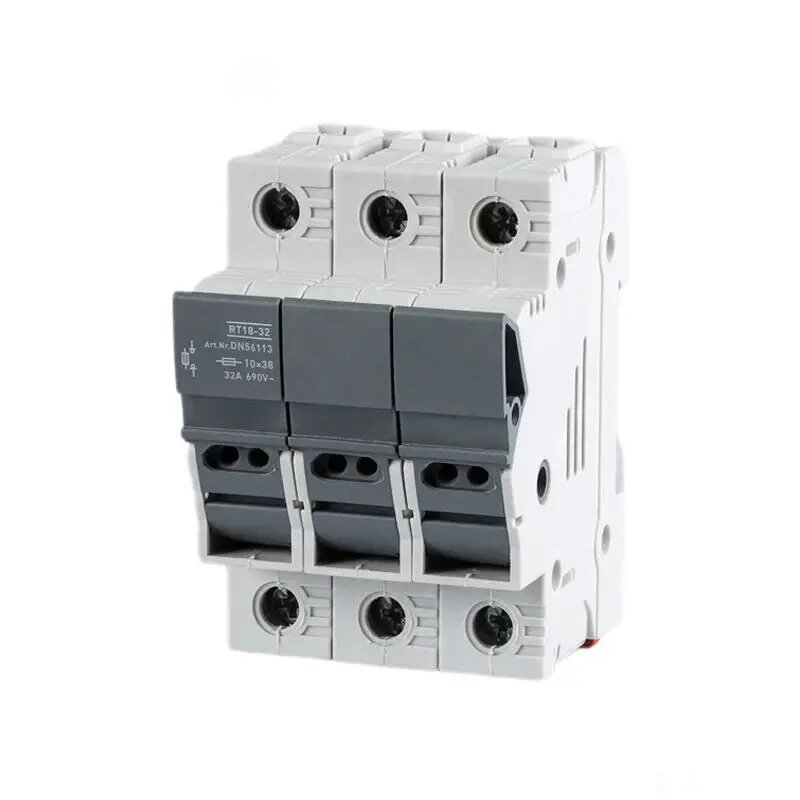
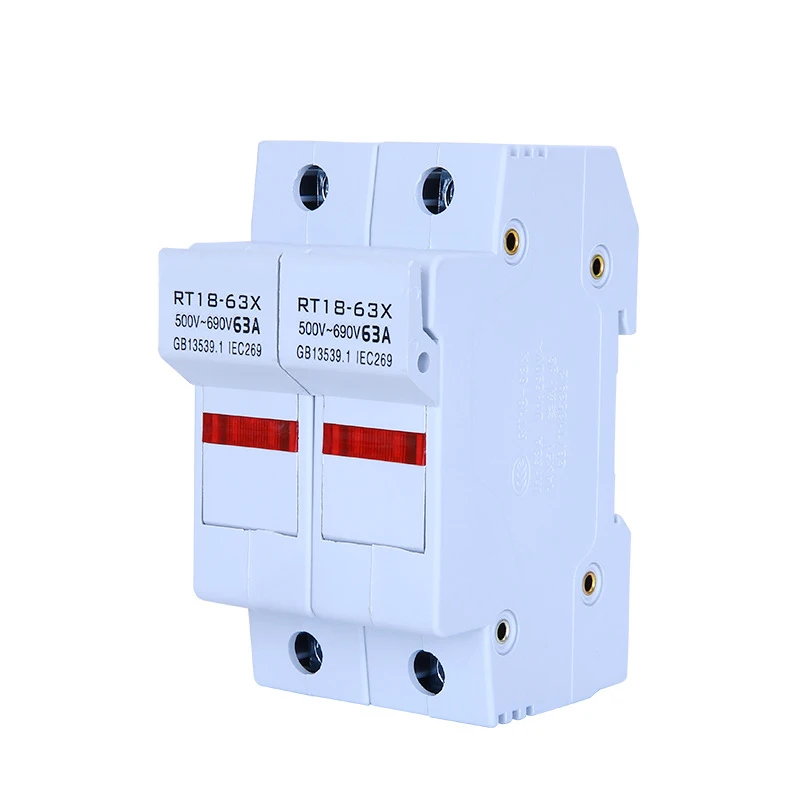
A 50MW solar farm in Spain needed reliable electrical isolators for their inverter and combiner boxes to ensure safe maintenance and compliance with strict EU directives. The client selected ZHNYU ELECTRIC's fuse-type isolating switches, which combine fuse protection with isolation functionality. Our isolators were installed in over 200 combiner boxes, each rated for 1500V DC. The key benefit was the integrated fuse holder that simplified fuse replacement without needing additional tools. After two years of operation, the solar plant achieved a 99.5% uptime, with zero isolation failures recorded. The isolators effectively handled overloads and short circuits, protecting critical inverters from damage.

Streamlining Railway Infrastructure Maintenance in India

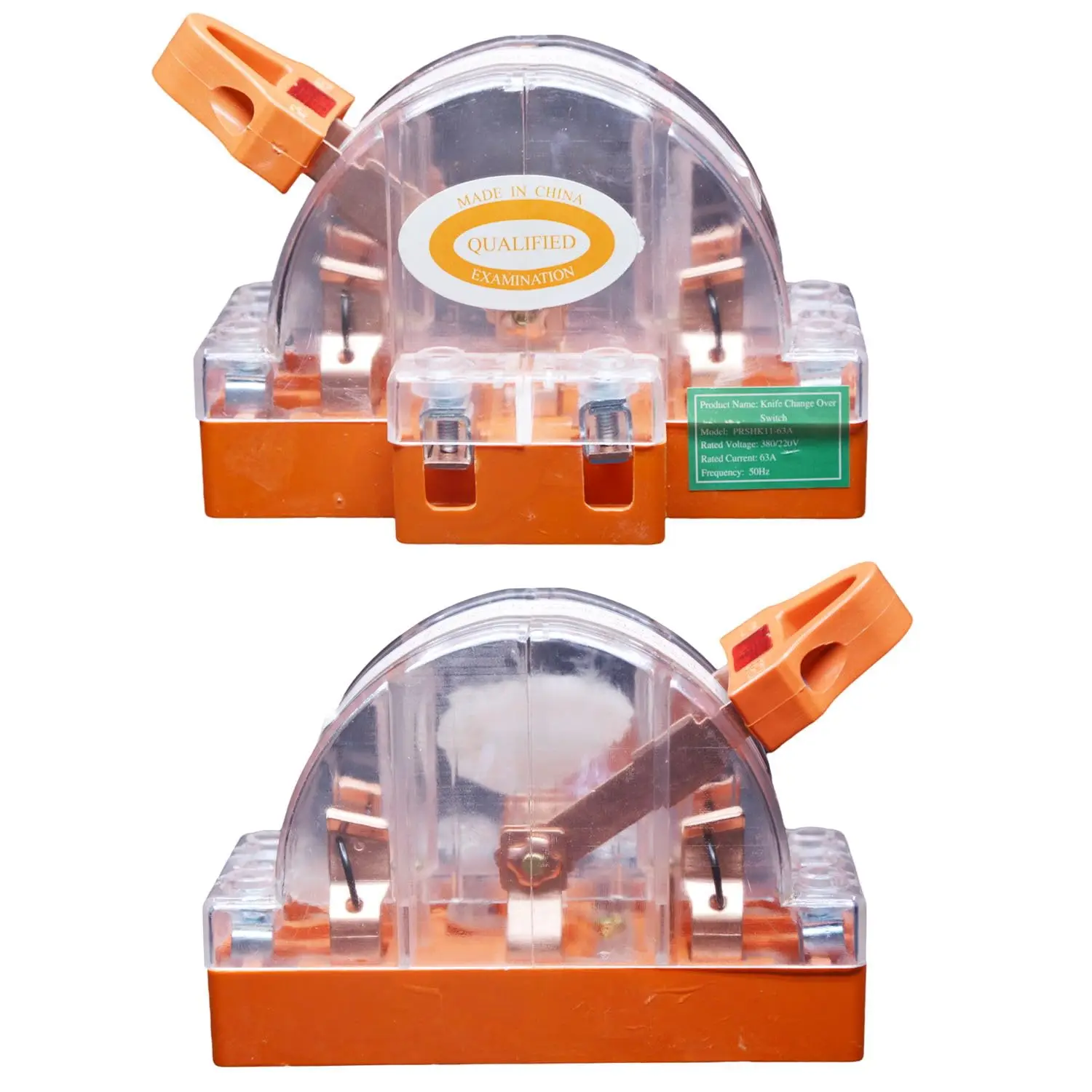
An Indian railway network required a reliable isolating solution for their traction power supply systems, which faced challenges of dust, vibration, and frequent load switching. The existing isolators lacked sufficient robustness, resulting in contact wear and arcing issues. ZHNYU ELECTRIC provided our knife-type electrical isolators, specifically designed for high mechanical endurance and excellent arc resistance. The isolators, rated for 1000V AC and 800A, were installed in switchgear panels across 15 substations. The maintenance team noted a 50% reduction in contact replacement frequency, attributing this to the silver-alloy contacts and high-pressure contact design.

Related products

ZHNYU ELECTRIC has been at the forefront of low-voltage electrical component manufacturing since 1992, with a steadfast focus on quality and innovation. Our journey began with a vision to provide reliable electrical isolation solutions that meet the evolving needs of global industries. Over the past 34 years, we have accumulated extensive expertise in producing electrical isolators that are recognized for their durability and safety. Our factory spans 10,000 square meters and is equipped with over 100 advanced production machines, ranging from precision stamping presses to automated assembly lines. This infrastructure allows us to maintain a production capacity of over 1 million units annually while adhering to strict quality control standards.

Frequently Asked Questions

What is the difference between an electrical isolator and a circuit breaker?

An electrical isolator is primarily a disconnecting switch used to provide visible isolation of a circuit for safe maintenance. It is designed to be operated only when the circuit is de-energized, meaning it must not break load currents. In contrast, a circuit breaker is a protective device that automatically interrupts the circuit under overload or short-circuit conditions. Our electrical isolators, such as the fuse-type isolating switch, combine isolation with fuse protection, but they still require the load to be disconnected before operation. Always follow the manufacturer’s specifications and electrical codes when choosing the right device for your application.
Selecting the correct rating depends on the system voltage, continuous current, and the nature of the load. For voltage, the isolator’s rated voltage must be equal to or greater than the system voltage. For current, the isolator’s rated current should match or exceed the maximum load current, allowing for a safety margin. Consider factors such as ambient temperature, altitude, and pollution degree, which may reduce the device’s capacity. Our technical team can assist you in calculating the appropriate rating and offer guidance on enclosure requirements for IP protection. We also provide detailed datasheets to help you make informed decisions.
Yes, all our electrical isolators are manufactured in compliance with international standards, including IEC 60947-3 for low-voltage switchgear. We hold ISO9001 for quality management, and our products have obtained CCC (China Compulsory Certificate) for the Chinese market and CE certification for the European Economic Area. Additionally, we adhere to RoHS directive, ensuring hazardous substances are restricted. These certifications guarantee that our products meet stringent safety and performance requirements, making them suitable for installation in projects worldwide. You can request our certificates and test reports for validation.
Absolutely. We understand that some applications may require unique configurations. Our engineering team can customize aspects such as terminal types (e.g., cable lugs, busbars), operating handles (e.g., door interlocked), auxiliary contacts for status indication, and special packaging. We can also accommodate non-standard voltage and current ratings if technically feasible. To initiate a customization project, please provide your specifications, and our team will work with you to develop a solution that fits your needs. We have experience in modifying products for OEMs in various sectors, including marine and mining.

Related Articles

What are the main advantages of using a knife switch in low-voltage panels?

17

Sep

What are the main advantages of using a knife switch in low-voltage panels?

Discover knife switch advantages in low-voltage panels. A reliable LV disconnect switch provides visual isolation and exceptional thermal stability.
View More
How does a low voltage fuse protect residential and commercial circuits?

24

Sep

How does a low voltage fuse protect residential and commercial circuits?

How does a low voltage fuse protect circuits? Discover core safety mechanisms, compliance standards, and real-world applications for homes and businesses. Learn more now.
View More
Why is the fuse base considered a critical component in fuse systems?

24

Sep

Why is the fuse base considered a critical component in fuse systems?

Discover how the fuse base prevents arcing, ensures contact integrity, and maintains safety compliance.
View More
How does an air circuit breaker provide selective coordination?

24

Sep

How does an air circuit breaker provide selective coordination?

How do air circuit breakers ensure fault isolation without unnecessary shutdowns? Learn the principles, timing curves, and coordination strategies. Read the full guide now.
View More

Customer Testimonials

James Fischer
Reliable Isolators Boosted Our Production Uptime

As a purchasing manager for a European industrial equipment manufacturer, we switched to ZHNYU ELECTRIC's electrical isolators for our motor control panels. The quality is exceptional; over 5000 units used in the past year, we had zero failures. The isolators have a sturdy construction and clear indication, which our customers appreciate.

Mohammed Al-Rashid
Electrical Isolators That Withstand the Test of Time

Our company, an electrical contractor in the Middle East, has been using ZHNYU ELECTRIC's isolators for over three years in various projects, including petrochemical plants and commercial buildings. The isolators have performed flawlessly even in dusty and high-temperature environments.

Get a Free Quote

Our representative will contact you soon.
Email
Mobile/WhatsApp
Name
Company Name
Message
0/1000
Advanced Contact Technology for Superior Safety and Endurance

Advanced Contact Technology for Superior Safety and Endurance

Our electrical isolators feature advanced silver-alloy contacts that ensure low contact resistance and high thermal stability. By using a unique contact pressure mechanism, we maintain consistent performance even after thousands of operations. This technology reduces the risk of overheating and arcing, extending the product's service life. In a comparative study, our isolators demonstrated a 30% lower temperature rise than conventional copper contacts under the same current load. Additionally, the contacts are designed to break welds easily, ensuring reliable opening. This focus on contact engineering is crucial for applications that require frequent switching, such as in solar power plants where daily disconnection occurs.
Global Certifications and Compliance for Seamless Integration

Global Certifications and Compliance for Seamless Integration

ZHNYU ELECTRIC's electrical isolators are certified to multiple international standards, including IEC 60947-3, CE, and CCC. This global acceptance simplifies procurement for multinational corporations and ensures compliance with local regulations. We also comply with RoHS and REACH directives, affirming our commitment to environmental stewardship. Our quality management system is ISO9001 certified, and our products undergo rigorous type tests by independent third-party laboratories. This means when you install our isolators, you can be confident that they meet the safety and performance criteria demanded by inspectors and insurers.